Understanding High Fuel Consumption in Vehicles
When your vehicle starts consuming more fuel than usual, it can lead to significant financial burdens and environmental concerns. Understanding the concept of "auto consuma troppo," or excessive fuel consumption, is essential for any car owner. Identifying the causes, recognizing the signs, and implementing effective solutions can save you money and enhance your driving experience. As we delve deeper into this topic, keep in mind that addressing fuel consumption issues can improve efficiency, extend the life of your vehicle, and reduce your carbon footprint. When exploring options, Auto consuma troppo provides comprehensive insights for drivers looking to minimize fuel waste.
What Does "Auto Consuma Troppo" Mean?
The phrase "auto consuma troppo" translates to "the car consumes too much," indicating a situation where a vehicle uses more fuel than what is considered normal or acceptable. This condition can arise from numerous factors affecting vehicle performance, including mechanical issues, poor driving habits, and even external conditions such as weather and terrain. Understanding this phenomenon is crucial for every car owner as it directly impacts both the wallet and the environment.
Common Signs of Excessive Fuel Consumption
Identifying high fuel consumption can often be a straightforward process if you know what to look for. Some common signs include:
- Decreased mileage per gallon or liter of fuel.
- Unusual smells, such as gasoline odors.
- Frequent visits to the gas station, more than what is typical for your driving patterns.
- Changes in engine performance, such as stalling or lack of power.
These signs should prompt immediate investigation, as they may indicate underlying issues that need to be addressed.
Why Fuel Efficiency Matters for Drivers
Fuel efficiency is not just a matter of saving money; it also plays a critical role in reducing environmental impact. Improved fuel efficiency means that your vehicle emits fewer greenhouse gases, which contributes to cleaner air and a healthier planet. Moreover, a car that runs efficiently tends to experience less wear and tear, leading to lower maintenance costs over time. For these reasons, it is imperative for drivers to monitor their fuel consumption closely and take corrective actions when necessary.
Common Causes of Excessive Fuel Consumption
Engine Performance Issues
One of the leading causes of high fuel consumption is engine performance problems. Issues such as dirty air filters, faulty fuel injectors, and worn-out spark plugs can impair engine efficiency. For instance, clogged air filters can restrict airflow, causing the engine to work harder to maintain performance, thereby consuming more fuel. Regular engine maintenance can help diagnose and rectify these issues before they escalate into more significant problems.
Impact of Tire Pressure on Fuel Efficiency
Under-inflated tires can cause increased rolling resistance, making the engine work harder, which results in higher fuel consumption. Maintaining proper tire pressure is essential not just for fuel economy but also for vehicle safety and longevity. It is advisable to check tire pressure regularly and keep them inflated to the manufacturer's specifications.
Effects of Driving Habits on Fuel Consumption
Driving behavior has a significant impact on fuel efficiency. Aggressive driving, characterized by rapid acceleration and hard braking, can decrease fuel economy by up to 30%. Adopting smoother driving techniques, such as gradual acceleration and maintaining a steady speed, can enhance fuel efficiency dramatically. Additionally, using cruise control on highways can help maintain a constant speed and improve gas mileage.
Tools and Techniques to Diagnose Fuel Issues
Using On-Board Diagnostics (OBD-II)
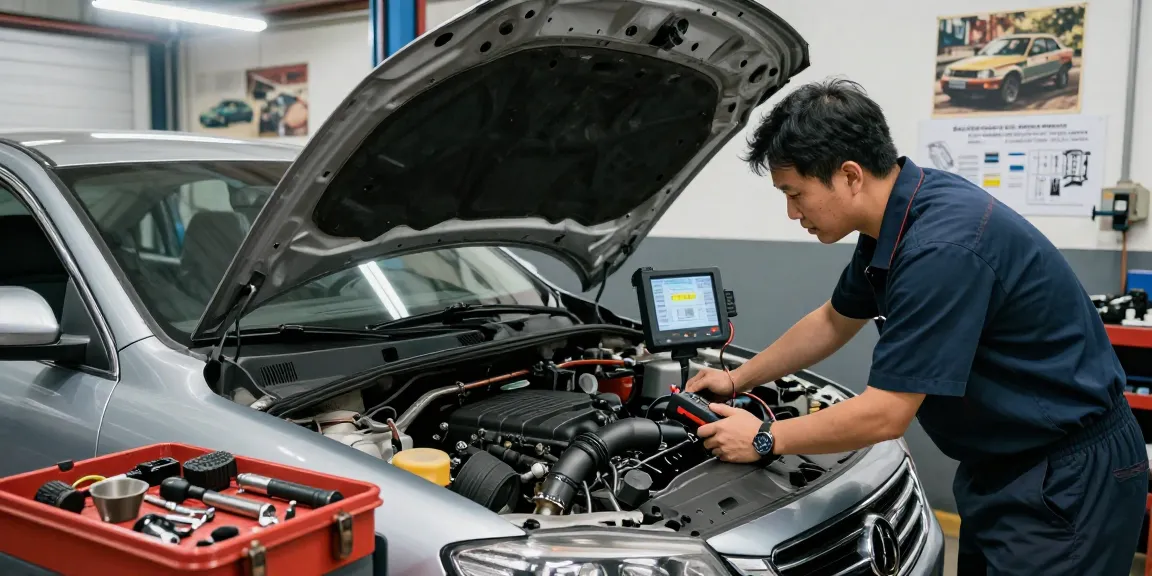
The On-Board Diagnostics-II (OBD-II) system allows car owners to monitor their vehicle's performance in real-time. By connecting an OBD-II scanner, you can read diagnostic trouble codes (DTCs) that indicate issues affecting fuel efficiency. This tool can be invaluable for identifying problems before they lead to excessive fuel consumption.
Manual Methods for Measuring Fuel Consumption
In addition to using OBD-II, drivers can manually track fuel consumption by noting the number of miles driven and the amount of fuel purchased. This method provides a clear picture of fuel consumption trends and can help spot irregularities over time. Simply divide the number of miles driven by the gallons or liters of fuel used to calculate your vehicle's fuel efficiency.
When to Consult a Professional Mechanic
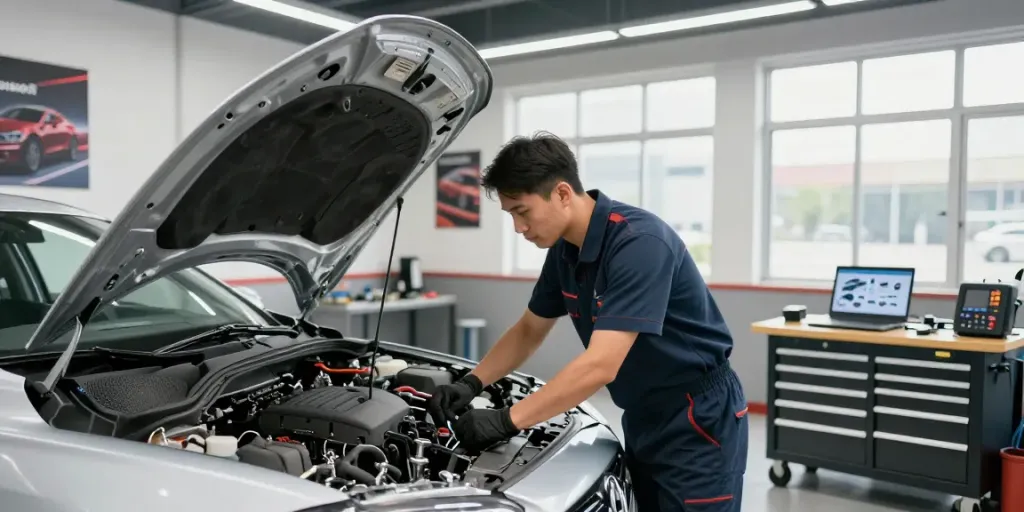
If you notice persistent issues with high fuel consumption despite taking preventive measures, it may be time to consult a professional mechanic. They can perform comprehensive diagnostics to identify mechanical issues that may not be visible to the average driver. Routine check-ups can help keep your vehicle running optimally and minimize fuel waste.
Practical Solutions to Reduce Fuel Consumption
Routine Maintenance Best Practices
Implementing regular maintenance is one of the most effective ways to ensure your vehicle operates efficiently. This includes replacing air filters, changing motor oil at recommended intervals, and keeping the engine tuned. Additionally, consider running cleaner burning fuels or using fuel additives that can improve combustion efficiency.
Simple Driving Tips to Save Fuel
Incorporating simple changes into your driving habits can lead to significant fuel savings. Here are a few actionable tips:
- Avoid excessive idling; turn off the engine if you expect to be stationary for more than a minute.
- Remove unnecessary weight from the vehicle and avoid roof racks when not in use.
- Plan routes ahead of time to avoid congested areas and reduce travel time.
Upgrades and Modifications to Improve Efficiency
For those looking to invest in their vehicle’s fuel efficiency, consider upgrades such as high-performance air filters, fuel injectors, or even investing in a tuning chip that optimizes engine performance. These modifications can enhance fuel economy while potentially improving overall vehicle performance.
Future Trends in Fuel Consumption and Automotive Technology
Emerging Technologies to Enhance Fuel Efficiency in 2026
As technology evolves, so too does the automotive industry’s approach to fuel efficiency. Emerging advancements such as lightweight materials, advanced engine technologies, and automation are set to significantly impact fuel consumption rates. Innovations like variable valve timing and turbocharging are already showing potential in enhancing power without sacrificing efficiency.
The Role of Hybrid and Electric Vehicles
Hybrid and electric vehicles are leading the charge towards a greener future. These vehicles not only reduce reliance on fossil fuels but also offer substantial savings on fuel costs. With increasing manufacturers focusing on developing electric models, it’s essential for consumers to consider these alternatives when looking to improve efficiency and reduce environmental impact.
Predicting Fuel Consumption Trends for the Next Decade
As we move forward into the next decade, we can anticipate a continued emphasis on fuel efficiency and sustainability across the automotive landscape. Factors such as government regulations, fuel prices, and advancements in alternative energy sources will shape how vehicles are designed and operated. Staying informed about these trends is crucial for drivers looking to adapt and optimize their driving experiences.
What causes my car to consume too much fuel?
There are various factors contributing to excessive fuel consumption, including engine performance issues, driving habits, and tire pressure. Regular maintenance can mitigate many of these problems.
How can I tell if my fuel consumption is excessive?
If you notice you are refueling more often than usual or if your mileage has decreased, it may indicate excessive fuel consumption. Keeping a log of miles driven and fuel used can provide insight.
Are there quick fixes to reduce fuel consumption?
Yes, simple changes such as maintaining proper tire pressure, regular oil changes, and improving driving habits can lead to noticeable reductions in fuel consumption.
What role does maintenance play in fuel efficiency?
Routine maintenance is essential for optimal performance. A well-maintained vehicle operates more efficiently, which can help reduce fuel consumption.