
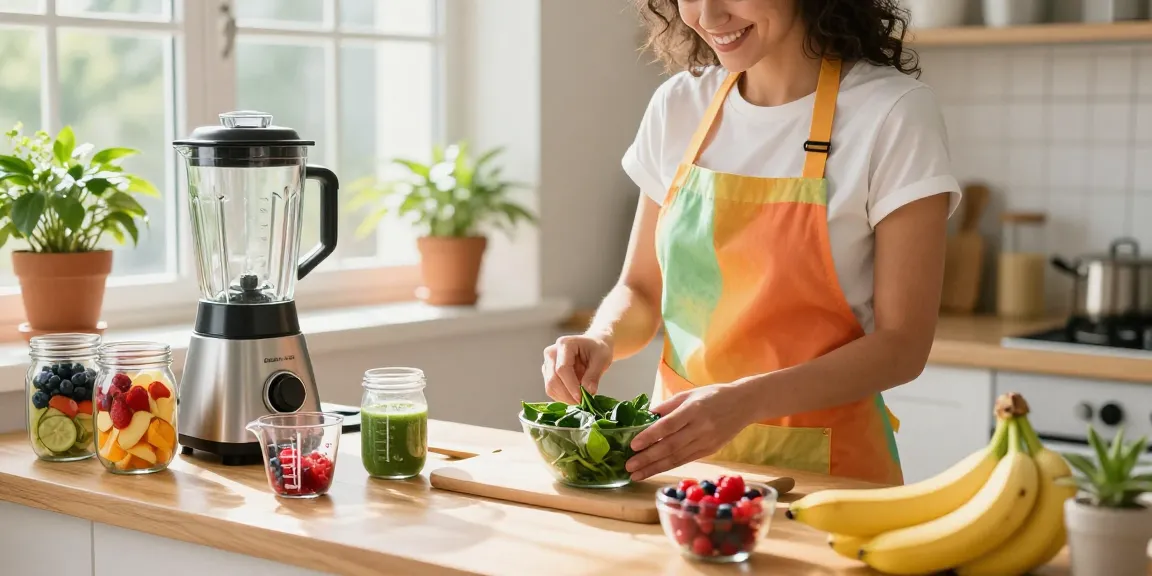
Understanding the 21 Day Smoothie Diet Plan
In the ever-evolving landscape of nutrition, the quest for an effective and sustainable weight loss plan often leads individuals down a confusing path filled with countless diets and protocols. One approach that has gained significant traction is the 21 Day Smoothie Diet Plan, which not only emphasizes weight management but also promotes overall health and vitality. This comprehensive plan capitalizes on nutrient-dense smoothies to provide essential vitamins and minerals while simplifying meal prep and consumption.
What is the 21 Day Smoothie Diet Plan?
The 21 Day Smoothie Diet Plan is a structured dietary regimen that encourages participants to replace two meals a day with specially formulated smoothies for three weeks. This plan is designed to help individuals lose weight, detoxify their bodies, and improve their energy levels without the need for restrictive eating or calorie counting. By focusing on whole, plant-based ingredients, the smoothies provide a concentrated source of nutrients that support the body’s functionalities while allowing for a satisfying and enjoyable eating experience.
Key Benefits of Smoothie Dieting
- Easy Meal Preparation: Smoothies can be prepared quickly, requiring minimal cooking, which saves time and effort.
- Increased Nutrient Intake: The smoothies are packed with vitamins, minerals, and antioxidants that are crucial for optimal health.
- Enhanced Satiety: Blending fruits and vegetables helps maintain fiber content, which can promote feelings of fullness.
- Detoxification: The natural ingredients support the body’s detoxification processes and reduce the intake of processed foods.
- Weight Loss: By creating a calorie deficit through meal replacements, participants can achieve sustainable weight loss.
Is the 21 Day Smoothie Diet Safe and Effective?
Many experts agree that the 21 Day Smoothie Diet is a safe and effective approach to weight loss, especially when it emphasizes whole food ingredients and nutritional balance. It’s essential, however, for participants to ensure they are obtaining a well-rounded intake of macronutrients, including protein, healthy fats, and carbohydrates. Consulting with a healthcare professional before starting any new diet plan is also advisable, especially for individuals with pre-existing health conditions.
Building Your 21 Day Smoothie Diet Schedule
Essential Components of a Successful Schedule
Creating a successful 21 day smoothie diet schedule involves several key components:
- Meal Planning: Plan your smoothies in advance to ensure a variety of flavors and nutrients.
- Shopping List: Prepare a weekly shopping list that includes all necessary ingredients to minimize trips to the store.
- Consistency: Stick to the schedule as closely as possible to build habits and maximize results.
- Support System: Engage with a community or find a buddy to share experiences and encouragement throughout the journey.
Sample 21-Day Meal Plan Breakdown
A typical day on the 21 Day Smoothie Diet may include:
- Breakfast: Green smoothie made with spinach, banana, almond milk, and a scoop of protein powder.
- Lunch: Berry smoothie with mixed berries, Greek yogurt, chia seeds, and oats.
- Snack: Raw vegetables with hummus or a handful of nuts.
- Dinner: A light meal featuring grilled vegetables and a lean protein source.
Adjusting the Diet for Individual Needs
The flexibility of the 21 Day Smoothie Diet allows individuals to tailor the plan to their specific dietary needs. For example, those with lactose intolerance can substitute dairy products with plant-based alternatives, while vegans can opt for protein sources like pea protein or hemp seeds to meet their nutritional requirements. Adjusting ingredients based on personal preferences and dietary restrictions is key for long-term adherence.
The Science Behind Liquid Nutrition
How Smoothies Enhance Nutrient Absorption
Liquid nutrition, particularly through smoothies, allows for enhanced nutrient absorption due to the pre-digestion that occurs during blending. This process breaks down plant cell walls, making vitamins and minerals more bioavailable. As a result, your body can absorb these nutrients more efficiently than if they were consumed in whole form. This can lead to better overall health and improved energy levels during the diet.
The Role of Digestion in Weight Management
Understanding the digestive process is crucial in appreciating how liquid diets can assist with weight management. Solid foods require energy-intensive digestion, often leaving individuals fatigued. Conversely, smoothies require less energy to digest, allowing the body to redirect resources towards other metabolic processes, such as fat utilization and muscle recovery, which can enhance weight loss efforts.
Research Insights on Liquid Diets and Satiety
Recent studies highlight the effectiveness of liquid diets on satiety levels. Research published in PubMed Central shows that high-fiber liquid meals can provide a sense of fullness comparable to their solid counterparts while often containing fewer calories. Therefore, adopting smoothies as meal replacements can help manage hunger while supporting weight loss objectives.
Maximizing Your Smoothie Experience
Tips for Perfect Smoothie Preparation
To ensure your smoothies are delicious and nutritionally balanced, consider the following tips:
- Start with a Base: Use leafy greens such as spinach or kale as the base for your smoothies.
- Balance Flavors: Incorporate sweet fruits, tart fruits, and creamy textures to create a well-rounded flavor profile.
- Include Healthy Fats: Adding avocados, nuts, or seeds can provide necessary fats that enhance satiety and nutrient absorption.
- Stay Hydrated: Use water, coconut water, or herbal teas as your liquid base for additional hydration.
Common Mistakes to Avoid on the Smoothie Diet
While smoothies can be highly beneficial, there are several common pitfalls to avoid:
- Overloading on Fruit: Too many high-sugar fruits can spike blood sugar levels; maintain a balanced fruit-to-greens ratio.
- Neglecting Protein: Ensure your smoothie contains a protein source to keep you full and support muscle health.
- Skipping Meals: While smoothies replace meals, it’s critical not to skip a nutritious dinner or snack.
Clever Ingredient Swaps for Better Nutrition
Enhancing your smoothies can be easily achieved with smart ingredient swaps:
- Replace Yogurt: Use silken tofu or nut-based yogurts for a dairy-free alternative that ups protein.
- Alternate Milks: Experiment with almond, oat, or coconut milk depending on your health goals and taste preferences.
- Add Superfoods: Incorporate spirulina, matcha, or acai powder for an extra nutritional boost.
Conclusion and Next Steps
Embracing the 21 Day Smoothie Diet Journey
The 21 Day Smoothie Diet Plan is not merely a nutritional strategy; it is a lifestyle approach that encourages mindful eating and awareness of what goes into our bodies. By integrating smoothies into daily routines, individuals can foster a deeper connection with food that nourishes rather than deprives.
Tracking Your Progress for Long-Term Success
To achieve lasting results, keeping a food journal or utilizing mobile apps to track your progress can be incredibly beneficial. Monitoring your energy levels, weight changes, and overall health will give you valuable insights into what works best for your body.
Frequently Asked Questions About the 21 Day Smoothie Diet
How many smoothies should I drink daily? A typical recommendation is to replace two meals with smoothies while maintaining a healthy third meal.
Can I exercise while on the smoothie diet? Yes! In fact, many people find they have increased energy levels, making it easier to maintain their workout routine.
What if I feel hungry between meals? Incorporate healthy snacks like nuts or raw veggies to bridge any gaps between meals while ensuring they contribute to your overall nutrient intake.