
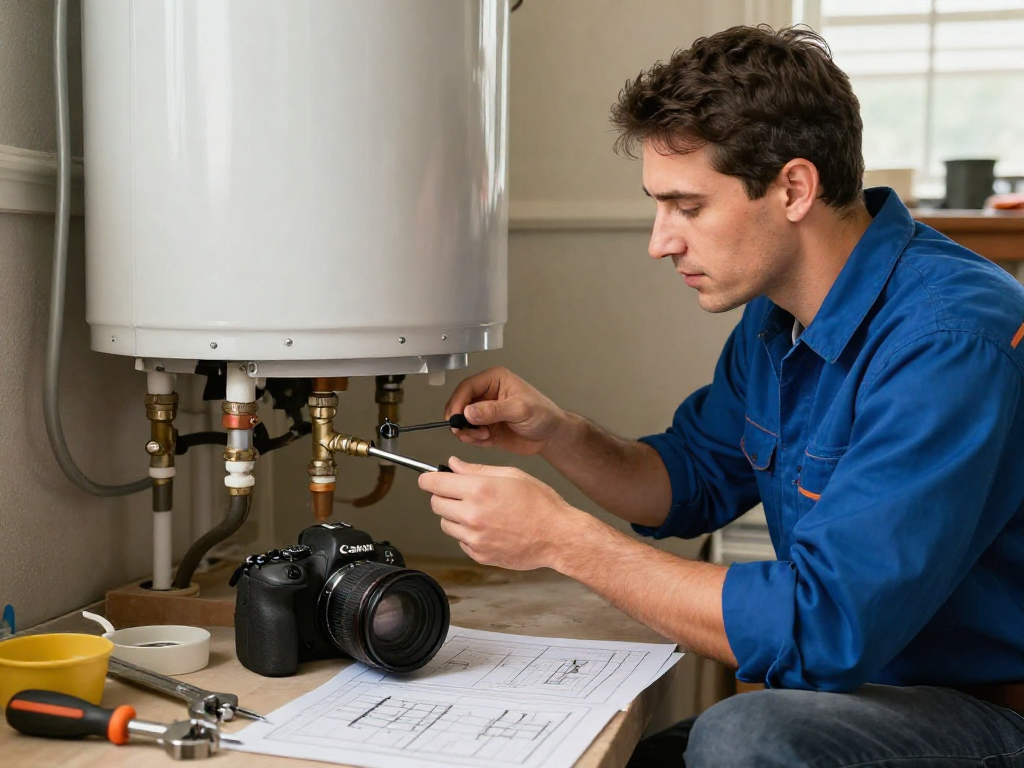
Understanding Common Water Heater Issues
Water heaters are essential components of modern homes, providing the hot water necessary for daily activities such as showering, cleaning, and cooking. However, like any appliance, they can experience issues over time. Understanding common water heater problems can save homeowners from unexpected inconveniences and costly repairs. When homeowners in Fort Worth face water heater challenges, they often seek the best solutions from reliable experts. For those looking for effective solutions, direct water heater repair Fort Worth services are highly rated for quality and professionalism.
What Signs Indicate Water Heater Problems?
Identifying the signs of a malfunctioning water heater early can prevent major issues down the road. Common indicators include:
- Insufficient Hot Water: If your water heater fails to provide enough hot water, it may be time for a repair or replacement.
- Strange Noises: Banging or popping noises coming from the heater can indicate sediment buildup.
- Leaks: Any water pooling around the base of the heater suggests a leak, which requires immediate attention.
- Discolored Water: Rusty or cloudy water can indicate corrosion or sediment buildup within the tank.
Common Causes of Water Heater Failures
Several factors can contribute to water heater failures, including:
- Age: Most water heaters last between 8 and 12 years. An aging unit is prone to more frequent breakdowns.
- Poor Maintenance: Regular maintenance can extend the life of your water heater. Neglecting it can lead to significant issues.
- Incorrect Settings: Temperature settings that are too high can cause overheating, leading to potential failure.
How to Diagnose Water Heater Issues
Diagnosing water heater problems often begins with understanding the symptoms. Homeowners can take the following steps:
- Check the temperature settings on the thermostat.
- Visually inspect the unit for any obvious signs of leaks or damage.
- Listen for unusual noises and note their frequency.
- Examine the hot water supply for inconsistencies.
Expert Tips for Water Heater Repair
When faced with water heater issues, knowing when and how to tackle repairs can be crucial. Here are some expert tips:
Step-by-Step Guide to Troubleshooting
Homeowners can follow this troubleshooting guide to address minor issues:
- Ensure the heater is receiving power: Check circuit breakers and power supply.
- Inspect the pilot light: For gas heaters, make sure the pilot light is lit.
- Flush the tank: Regularly flushing the tank can remove sediment build-up.
When to Consider Professional Repair Services
While some repairs can be DIY, certain situations warrant calling professionals. Consider hiring experts if:
- The problem persists after your troubleshooting efforts.
- You notice significant leaks or flooding.
- The heater is more than 10 years old and needs extensive repairs.
Cost Considerations for Repair vs. Replacement
When faced with a malfunctioning water heater, homeowners often weigh the costs of repair against replacement. Notably, repairs can range from $150 to $600, while replacements can start around $800 and go up depending on the type and model. It's essential to evaluate:
- The age and condition of your current water heater.
- The frequency of past repairs.
- Your budget for immediate and long-term costs.
Exploring Water Heater Replacement Options
If your water heater is nearing the end of its lifespan or constantly experiencing problems, you might be considering a replacement. Here are some factors to keep in mind:
Choosing the Right Size and Type
Selecting the correct water heater size is crucial. Typical tank sizes range from 30 to 80 gallons. Additionally, homeowners can choose between:
- Traditional Tank Heaters: These store heated water in a tank.
- Tankless Heaters: Provide hot water on demand and are more energy-efficient.
Energy Efficiency and Cost Savings
Modern water heaters come with energy efficiency ratings. Investing in a high-efficiency model can lead to significant savings on energy bills. Look for models with:
- Energy Star ratings.
- Insulated tanks to reduce heat loss.
Installation Best Practices for Longevity
Proper installation is essential for the longevity of a water heater. Ensure that:
- The unit is installed by a licensed professional.
- All local codes and regulations are followed.
- The installation site has adequate ventilation.
Tankless Water Heaters: A Modern Solution
For many Fort Worth homeowners, tankless water heaters present a modern alternative to traditional models. Here's why:
Benefits of Going Tankless for Fort Worth Homes
Choosing a tankless water heater offers several advantages:
- Space Efficiency: They require less physical space compared to traditional heaters.
- Continuous Hot Water Supply: They provide hot water on demand, eliminating the need for a storage tank.
- Energy Savings: They only use energy when hot water is needed.
Maintenance Tips for Tankless Systems
To ensure optimal performance, consider these maintenance tips:
- Descale the unit regularly to prevent mineral buildup.
- Check connections for leaks periodically.
- Replace filters as recommended by the manufacturer.
Cost Analysis: Tank vs. Tankless Water Heaters
While tankless systems may have higher upfront costs, they can offer savings in the long run through energy efficiency. Consider the following:
- Traditional tank heaters often cost less initially but have higher operating costs.
- Tankless heaters typically last longer than traditional models.
Emergency Plumbing Services in Fort Worth
When plumbing emergencies strike, having a reliable service provider is crucial. Emergency plumbing services can address issues promptly to minimize damage. Here’s what homeowners need to know:
When to Call for Emergency Assistance
Several plumbing situations are considered emergencies, including:
- Major leaks causing flooding.
- Loss of water supply due to a burst pipe.
- Overflowing toilets.
How to Prepare for a Plumber’s Visit
Preparation can expedite the repair process:
- Identify the source of the problem, if possible.
- Clear the area around the plumbing fixture.
- Prepare to provide information about any previous issues.
Maintaining Your Plumbing Systems for Peace of Mind
Regular maintenance can help prevent plumbing emergencies. Homeowners should:
- Schedule routine inspections of the plumbing system.
- Address minor leaks immediately to avoid bigger problems.
What is the Average Lifespan of Water Heaters?
The average lifespan of a conventional water heater is 8 to 12 years, while tankless units can last up to 20 years. Regular maintenance can extend the life of your unit significantly.
How to Improve the Efficiency of Your Water Heater?
To enhance the efficiency of your water heater, consider the following:
- Adjust the thermostat to 120 degrees Fahrenheit.
- Insulate the tank and pipes to minimize heat loss.
- Servicing the unit at least once a year.
What Should I Do if My Water Heater is Leaking?
If you discover a leak, take immediate action:
- Shut off the water supply to the tank.
- Turn off the power supply (electric heaters) or gas supply (gas heaters).
- Contact a professional for repair or replacement options.
How Can I Prevent Future Plumbing Emergencies?
Preventative measures can be beneficial:
- Regularly inspect plumbing fixtures for signs of wear and tear.
- Keep drains clear of debris and buildup.
- Know the location of your main water shut-off valve.
What are Some Recommended Brands for Water Heaters?
Some highly regarded water heater brands include:
- Rheem
- Bradford White
- AO Smith
- Noritz (for tankless options)