Understanding the Various Types of Plant Pots
When it comes to creating a thriving indoor or outdoor garden, the choice of plant pots is crucial. Selecting the right pots can dramatically influence your plants' growth and health, as different materials, sizes, and designs offer unique benefits. In this comprehensive guide, we will explore the diverse types of plant pots available, helping you understand the best options for your gardening needs.
What Are the Best Materials for Plant Pots?
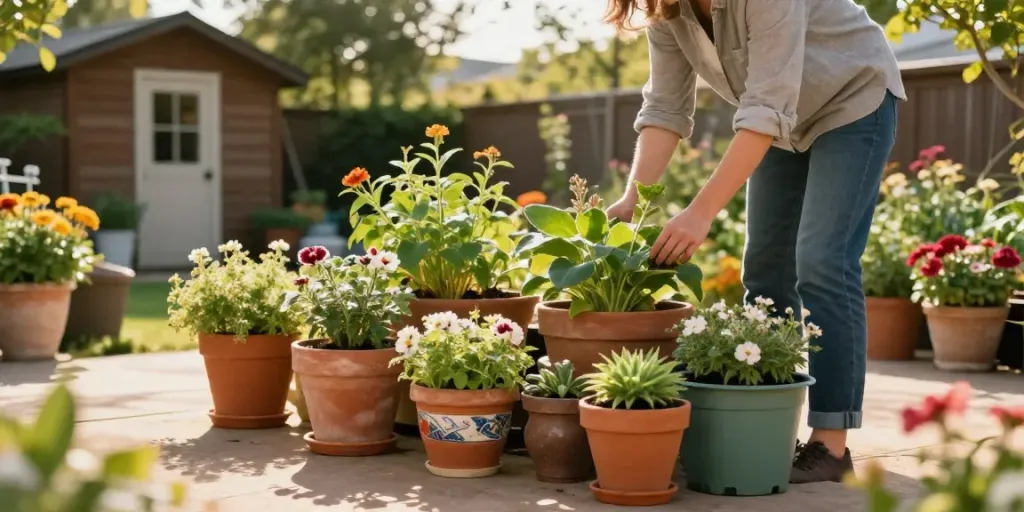
Plant pots come in a variety of materials, each with its own advantages and disadvantages. Some of the most common materials include:
- Ceramic: Known for aesthetic appeal, ceramic pots are often glazed for durability. They are heavier and can retain moisture well, making them suitable for plants that prefer consistent watering.
- Plastic: Lightweight and versatile, plastic pots are an economical choice for gardeners. They come in various sizes and shapes and are resistant to cracking but may not provide the same breathability as other materials.
- Terracotta: These clay pots are porous, allowing for good airflow to the roots. They are ideal for drought-tolerant plants but may require more frequent watering.
- Metal: Galvanized steel or aluminum pots can add a modern touch to your garden. However, they can heat up quickly in direct sunlight, which may not be ideal for all plants.
Choosing the Right Size for Your Plants
The size of your plant pot is vital for plant health. A pot that is too small can restrict root growth, while one that is too large may hold excess moisture leading to root rot. To choose the right size, consider the following:
- As a general rule, select a pot that is 1-2 inches wider in diameter than the plant's root ball.
- For plants that grow quickly, such as vegetables, consider larger pots that allow for growth without the need for frequent repotting.
- For smaller plants or succulents, small to medium-sized pots will suffice, keeping them manageable and allowing for proper drainage.
Indoor vs Outdoor Plant Pot Considerations
The environment where your plants will live plays a significant role in pot selection. Indoor plant pots often prioritize aesthetics and weight, while outdoor pots need to withstand weather conditions. Key considerations include:
- Drainage: Outdoor pots may require larger drainage holes to prevent water accumulation, while indoor pots can have smaller holes or saucers for decorative purposes.
- Material durability: Choose weather-resistant materials for outdoor pots to ensure longevity.
- Style: Indoor pots can be more decorative, fitting your home decor, whereas outdoor pots may focus more on practicality.
Plant Pots Care and Maintenance
Proper care and maintenance of your plant pots are essential for keeping your plants healthy. Here are some tips to ensure longevity and functionality:
Tips for Cleaning and Maintaining Your Pots
Regular cleaning of plant pots helps prevent disease and allows for better drainage. Follow these steps:
- Use a mild soap solution and a soft brush or cloth to clean ceramic and plastic pots.
- For terracotta pots, soak them in a vinegar solution to remove mineral buildup.
- Ensure all pots are thoroughly rinsed and dried before repotting to avoid contaminating new soil.
How to Ensure Proper Drainage
Proper drainage is critical to plant health. Here’s how to ensure your pots drain effectively:
- Always choose pots with drainage holes in the bottom. If your pot doesn’t have them, consider drilling some yourself.
- In some cases, placing a layer of gravel at the bottom of the pot can help enhance drainage.
- Avoid overwatering by monitoring soil moisture levels before adding more water.
Recognizing When to Replace Plant Pots
Over time, plants can outgrow their pots, and you may need to consider a replacement. Some signs that it's time to repot include:
- Roots growing out of the drainage holes or visible at the surface.
- Soil that dries out very quickly due to roots absorbing most of the moisture.
- Stunted growth or yellowing leaves, indicating that the plant may be root-bound.
Design and Aesthetics of Plant Pots
Choosing the right plant pot isn't just about function; aesthetics play a significant role, especially in home decor. Here’s how to align style with nature.
Choosing Colors and Styles to Match Your Space
When selecting pots, consider the existing color palette of your home or outdoor space:
- Neutral colors like whites, browns, and grays can create a soft backdrop for colorful plants.
- Bold colors or intricate patterns can make a statement piece, drawing attention to your plants.
- Consider material textures, such as ceramic glazes or matte finishes, to enhance visual interest.
Incorporating Plant Pots into Home Decor
Integrate plant pots into your decor by:
- Displaying them on shelves with books or other decor items for added greenery.
- Using plant stands to elevate pots off the ground, creating layers in your decor.
- Grouping various pots with different heights and sizes to create a more dynamic display.
Trendy Designs for 2026: What’s Hot Now?
As we step into 2026, several trends are emerging in the world of plant pots:
- Sustainable materials: Look for pots made from recycled or eco-friendly materials.
- Smart plant pots: With technology advancing, pots that self-water or alert you when your plant needs attention are gaining popularity.
- Geometric designs: Clean lines and unique shapes are making their way into modern interiors, providing a contemporary look.
DIY Plant Pots: Creative Ideas and Projects
For the creative gardener, DIY projects offer a fantastic way to personalize your plant pots. Here are some innovative ideas:
Transforming Household Items into Plant Pots
Look around your home for items that can be repurposed into unique planters:
- Old teacups or mugs can serve as charming mini pots for succulents.
- Wooden crates can be used as rustic planter boxes for larger plants.
- Shuttered windows can create a display for multiple pots, giving a vintage feel.
Painting and Decorating Basic Plant Pots
Standard terracotta pots can be transformed with a bit of paint and creativity:
- Use acrylic paint to add vibrant colors or patterns. Seal with a clear spray for durability.
- Decoupage with fabric or paper to create a unique design that reflects your style.
- Consider adding stencils for crisp designs and lettering.
Building Self-Watering Planters at Home
Self-watering planters are an excellent solution for busy gardeners:
- Utilize two containers—one for the plant and another larger container to hold water.
- Place a wick or a rope between the two pots to allow moisture to seep up into the soil as needed.
- Ensure the top pot has drainage holes to facilitate proper watering.
Future Trends in Plant Pots and Gardening
As we look to the future, several exciting trends are redefining how we think about plant pots and gardening:
Innovative Materials Coming in 2026
The horticulture industry is seeing advancements in materials:
- Bamboo: Lightweight and sustainably sourced, bamboo pots are making their way into mainstream gardening.
- Biodegradable materials: Pots made from compostable materials that break down over time are becoming popular as garden waste management improves.
- Textile pots: Fabric pots that allow for aeration and drainage are favored for their lightweight and breathable qualities.
Smart Plant Pots: Technology in Gardening
Integration of technology into gardening is increasing, with smart pots designed to assist plant care:
- Some pots can connect to your smartphone, updating you on moisture levels, light exposure, and recommended care.
- Innovative designs that automate watering based on sensors can give your plants just what they need without over-watering.
Sustainable Practices for Plant Pot Production
As sustainability becomes a priority, manufacturers are focusing on eco-friendly practices:
- Using renewable resources and minimizing plastic use is becoming the norm.
- Companies are adopting circular economy principles, encouraging pot recycling and reuse.
Where's the best place to buy pots for plants?
Finding quality plant pots is essential for any garden enthusiast. Online retailers and local garden centers often offer a variety of options, ensuring you can find the perfect pots for your needs.
What is the best website to buy plant pots online?
Several websites specialize in garden supplies and pots. Research local nurseries or visit popular online marketplaces to compare prices and styles. Look for reviews to guide your choices.
Do plants do better in ceramic or plastic pots?
The answer depends on the type of plant and its needs. Ceramic pots retain moisture better, making them suitable for plants that thrive in humid conditions. On the other hand, plastic pots are lighter and often more affordable, but they may require more frequent watering.