Understanding Plumbing Basics with Blue Moon Plumbing and Rooter
Plumbing is an essential part of any home, ensuring that water flows in and waste is disposed of efficiently. Yet, many homeowners lack a solid understanding of their plumbing systems, which can lead to costly repairs and complications down the line. By familiarizing yourself with plumbing fundamentals, you can not only save money but also keep your home more comfortable and functional. When exploring options, Blue Moon Plumbing and Rooter provides comprehensive insights into plumbing systems, from maintenance to emergency services.
What Homeowners Should Know About Plumbing Systems
Every home’s plumbing system is designed to provide clean water for drinking, cooking, and bathing while ensuring that waste is effectively removed. It primarily consists of two subsystems: the supply system and the drainage system. Understanding how these systems work is key to identifying potential issues before they become severe.
- Supply System: This subsystem brings clean water from the main water supply to various points in the home, including sinks, showers, and appliances. It includes pipes, valves, and fixtures.
- Drainage System: This system removes wastewater from the home. It relies on gravity and consists of pipes that lead to the municipal sewer or a septic system. Proper venting is crucial to prevent sewage odors and ensure proper drainage.
Regular maintenance and inspections can help prevent common issues such as clogs, leaks, and low water pressure. Homeowners should familiarize themselves with the layout of their plumbing system, including where the main shut-off valve is located, to respond swiftly in emergencies.
Common Plumbing Problems and Solutions
Even with the best maintenance practices, plumbing problems can arise. Here are some of the most common issues homeowners face along with practical solutions:
- Leaky Faucets: This is often caused by worn-out washers or o-rings. Replacing these parts can usually solve the issue.
- Clogged Drains: Hair, grease, and other debris can lead to clogs. Regularly using a drain strainer and a mixture of baking soda and vinegar can help mitigate this problem.
- Running Toilets: This can waste a significant amount of water. Most often, it's due to a faulty flapper. Replacing the flapper can resolve the issue.
- Low Water Pressure: This can stem from mineral buildup in pipes or leaks. Identifying the source is key to addressing the problem.
Choosing the Right Plumbing Services
When plumbing issues arise, choosing the right plumbing service is critical to ensuring your problems are resolved efficiently and effectively. This choice can make a significant difference in both the quality of the work done and the costs involved. Understanding what to look for can save time and expense.
How to Select a Plumbing Company
Selecting the right plumbing company involves careful consideration of several factors:
- Reputation: Research potential plumbers through online reviews and ratings. A company with a solid reputation will often provide better service.
- Licensing and Insurance: Ensure that the plumbing company is licensed and insured. This protects you and ensures that the company is legitimate.
- Experience: Choose a company with extensive experience in solving the types of plumbing issues you face.
- Estimates: Obtain estimates from multiple plumbers. This will give you a better sense of the going rates in your area.
Evaluating Services Offered by Blue Moon Plumbing and Rooter
When considering Blue Moon Plumbing and Rooter, it’s important to evaluate the range of services they offer. They provide not just emergency plumbing help, but also routine maintenance and specialized services like trenchless sewer replacement and water heater installation.
This broad spectrum ensures that whatever plumbing problem arises, you have a reliable partner at your side, ready to assist you with expert solutions and advice.
Cost Factors: What Affects Your Plumbing Bill?
Several factors can influence the cost of plumbing services:
- Type of Service: Emergency services typically cost more than routine maintenance.
- Labor Costs: Rates can vary by region. Urban areas often have higher rates than rural ones.
- Parts and Materials: The cost can vary significantly depending on the quality and type of materials used.
- Time Required: More complex jobs that take longer to complete will naturally cost more.
Understanding these factors can help you better anticipate costs and budget for plumbing services.
DIY Plumbing Tips for Home Maintenance
Homeownership comes with responsibilities, and being proactive about plumbing maintenance can save you significant time and money. Here are some DIY tips that can help you maintain your plumbing system between professional visits.
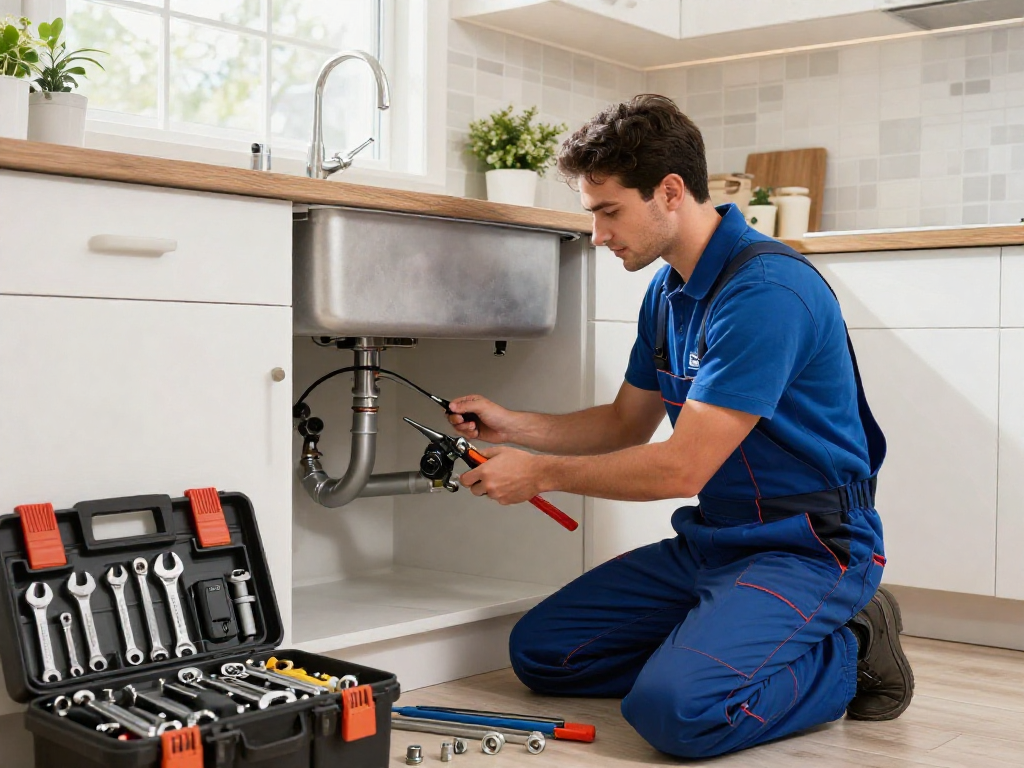
Simple Repairs Every Homeowner Can Handle
Many plumbing repairs can be handled by homeowners with a little bit of guidance:
- Replacing a Faucet: If you notice a leaky faucet, replacing it can often be done with basic tools and some online tutorials.
- Unclogging Drains: A plunger is often all you need for minor clogs. For tougher clogs, a plumber's snake can provide effective relief.
- Toilet Repairs: Common issues like running toilets or flushing problems can often be fixed by replacing the flapper or adjusting the float.
Safety Precautions When Working with Plumbing
Safety must always be a priority when handling any plumbing repair. Here are some essential precautions to take:
- Always turn off the water supply before starting any repair work.
- Use appropriate protective gear, including gloves and goggles.
- If dealing with sewage, maintain hygiene to prevent contamination.
When to Call Professionals: Recognizing Limits
While DIY can save money, there are situations where professional help is necessary. Recognizing your limits is crucial:
- If you encounter a major leak or flooding, immediate professional assistance is required.
- Complex problems like sewer line issues or substantial plumbing renovations should be left to the experts.
Future Trends in Plumbing Services
The plumbing industry is evolving, with new technologies and practices emerging to enhance efficiency, safety, and sustainability. Staying abreast of these trends can help homeowners prepare for the future.
Innovations in Plumbing Technology
Recent advancements in technology are changing how plumbing services are delivered:
- Smart Technology: Smart faucets and toilets are now available, allowing for greater water efficiency and control.
- Leak Detection Systems: These systems alert homeowners to leaks before they become significant issues, helping to prevent costly damages.
- Robotic Technology: Robots are increasingly being used for inspections and repairs, reducing the need for invasive work.
Green Plumbing: Sustainable Practices and Benefits
Sustainability is becoming a priority in plumbing, with practices that not only save water but also reduce environmental impact:
- Water-Efficient Fixtures: Installing low-flow faucets and toilets can dramatically reduce water usage.
- Alternative Water Sources: Rainwater harvesting and greywater recycling systems are gaining popularity.
- Eco-Friendly Materials: Using plumbing materials that are sustainable and recyclable is becoming standard in modern constructions.
Preparing for the Future: What to Expect by 2026
As we look toward 2026, here are some trends to expect in plumbing:
- Increased adoption of smart home technology related to plumbing systems.
- Greater emphasis on sustainable practices across the industry.
- Expansion of plumbing-related education and training to prepare workers for advanced technologies.
Frequently Asked Questions about Plumbing Services
Homeowners often have common questions when it comes to plumbing services. Here are answers to some of the most frequent inquiries:
What services does Blue Moon Plumbing and Rooter offer?
Blue Moon Plumbing and Rooter provides a wide range of services including emergency plumbing, drain cleaning, water heater installations, and general plumbing maintenance.
How can I prevent plumbing issues?
Regular maintenance, such as inspections and using drain strainers, can help prevent plumbing issues. Additionally, being mindful of what goes down your drains is crucial.
What should I do in a plumbing emergency?
In the event of a plumbing emergency, shut off the main water supply and call a professional immediately to mitigate damage.
How often should I schedule plumbing maintenance?
Homeowners should schedule plumbing maintenance at least once a year to identify and address potential issues before they escalate.
Is it worth it to hire a plumber for small repairs?
While some small repairs can be done DIY, hiring a professional can ensure they are handled correctly, potentially saving you money in the long run.