
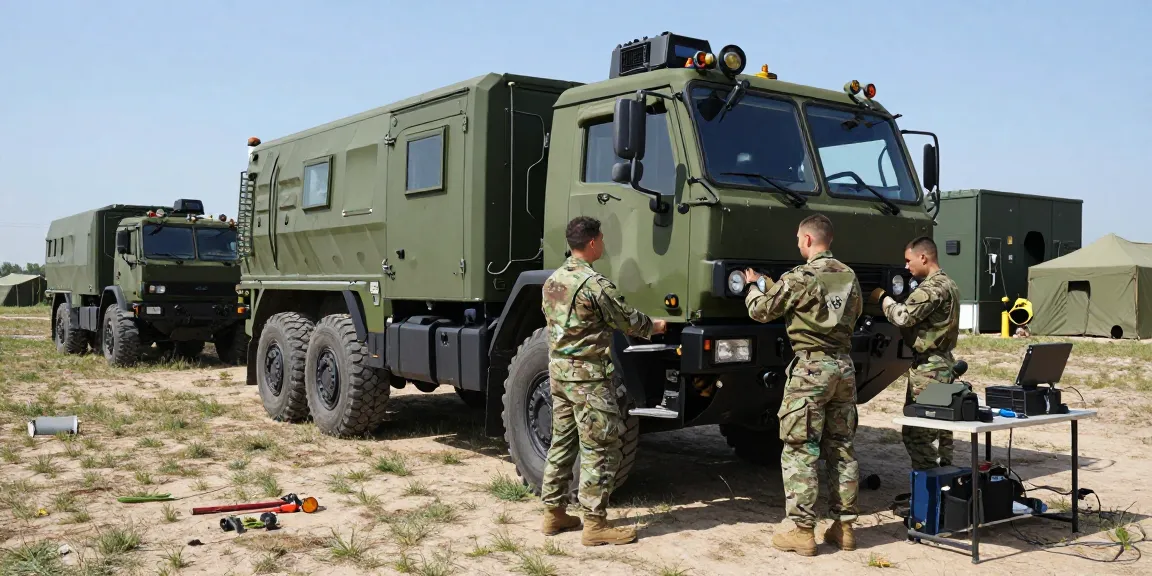
Understanding the Role of 88M Motor Transport Operators
The 88M Motor Transport Operator is a critical role within the United States Army that combines various aspects of logistics and operational support. This profession is essential not only for the efficient movement of troops and supplies but also for maintaining the overall readiness of military units. As the U.S. military increasingly relies on complex logistics networks, the significance of the 88M role continues to grow. When exploring options, 88m provides comprehensive insights into this vital military occupation.
What Does an 88M Do?
An 88M is primarily responsible for the supervision and operation of wheeled vehicles that transport personnel and cargo. This includes various types of trucks, buses, and specialized military vehicles. They play a crucial role in logistics operations, ensuring that resources are moved efficiently from point A to point B in all types of environments.
Beyond driving, 88Ms engage in planning transportation routes, maintaining vehicles, and conducting preventive checks to ensure safety and operational readiness. With the rise of technology in logistics, 88Ms are also becoming proficient in using digital tools and software for route planning, cargo tracking, and communication.
Key Responsibilities and Skills Required
- Vehicle Operation: Proficiently driving and navigating various military and civilian vehicles.
- Logistical Coordination: Coordinating transport activities and ensuring timely delivery of personnel and supplies.
- Vehicle Maintenance: Performing routine inspections and minor repairs to ensure operational readiness.
- Communication Skills: Collaborating with other military units and logistics personnel for effective mission execution.
- Adaptability: Adjusting to various environments, whether in combat zones or during peacetime operations.
Importance of Logistics in Military Operations
Logistics forms the backbone of military operations, ensuring that troops have the necessary supplies and support to execute missions effectively. The ability of an army to mobilize its resources quickly and efficiently can determine the outcome of military engagements. Logistics professionals, especially 88Ms, are integral in maintaining the flow of essential resources, which is vital for troop morale and operational success.
In today’s military landscape, where operations can involve extensive coordination and multi-domain tactics, the role of logistics becomes even more complex and vital. Effective logistics management fosters a strategic advantage, enabling military forces to operate seamlessly.
Career Pathways for 88M Operators
The career trajectory for 88M Motor Transport Operators is marked by various opportunities for advancement and specialization. Depending on individual interests and military needs, 88Ms can pursue further education, leadership roles, or even transition to civilian careers in logistics.
Advancement Opportunities in the Military
Career advancement for 88M operators typically follows the military structure. Initial roles often begin as junior operators, with opportunities to progress to non-commissioned officer (NCO) positions. With further training and experience, an 88M can assume roles such as transportation supervisor or logistics coordinator.
Continuous education through programs like Warrior Leader Course (WLC) and advanced leadership training provides 88M operators with the skill set necessary for higher responsibilities. Additionally, the Army offers various programs aimed at preparing soldiers for leadership roles in logistics and transportation.
Transitioning to Civilian Transport Roles
The skills acquired as an 88M are highly transferable to civilian roles, particularly in the logistics, transportation, and supply chain sectors. Many former 88Ms find employment as truck drivers, logistics coordinators, or operations managers. The Civilian Credentialing Opportunities On-Line (COOL) program assists soldiers in obtaining civilian certifications that align with their military experience.
By capitalizing on their military training, former 88Ms can gain a competitive edge in the job market, with many employers valuing the discipline, teamwork, and problem-solving abilities that military experience fosters.
Educational Requirements for Career Growth
While a high school diploma is the minimum educational requirement for enlisting as an 88M, further education can significantly enhance career prospects. Many soldiers choose to pursue college degrees in logistics, business, or transportation management while serving, which can aid in their transition to civilian roles. Various programs focus on logistics and supply chain management that are applicable to both military and civilian contexts.
Additionally, certifications such as Certified Supply Chain Professional (CSCP) or Project Management Professional (PMP) can further bolster an 88M's resumé and open up more advanced career opportunities.
Challenges Faced by 88M Operators
Despite the valuable skills gained through the 88M role, operators face various challenges that can impact their performance and career satisfaction. Understanding these challenges can help potential entrants into the field and current operators navigate their responsibilities more effectively.
Common Misconceptions About the 88M Role
One common misconception is that the 88M role is solely about driving trucks. In reality, it encompasses a wide array of logistical responsibilities, including planning, vehicle maintenance, and team coordination. Misunderstanding the scope of the role can deter potential recruits from considering a military career as a Motor Transport Operator.
Another misconception is that 88Ms have limited career growth opportunities. In fact, the military structure offers numerous paths for advancement and specialization that can lead to significant leadership roles within logistics and transportation.
Physical and Mental Demands of the Job
The job of an 88M is physically demanding, often requiring operators to lift heavy cargo, endure long hours on the road, and sometimes operate in challenging conditions. Mental resilience is also crucial, as operators must remain alert and focused, especially during long hauls and in high-stress environments.
Moreover, the nature of military service can lead to unique stressors, including time away from family and the pressure of mission deadlines. It’s essential for 88Ms to develop coping strategies and utilize available support resources to maintain their well-being.
Dealing with Operational Stress in Logistics
Operational stress management is crucial for 88M operators to ensure they perform at their best. Strategies such as regular physical exercise, mindfulness practices, and maintaining a strong support network can help mitigate stress. Additionally, the military offers various resources, including counseling and peer support programs, to assist soldiers in managing stress effectively.
Building resilience and promoting mental health within the ranks fosters a more effective and focused operation, ultimately enhancing overall mission success.
Training and Certification for 88M Operators
Training is a fundamental aspect of becoming a skilled 88M operator. It consists of various stages designed to equip soldiers with the necessary skills and knowledge for their role.
Basic Combat Training and AIT Overview
All soldiers, including 88Ms, begin their military journey with Basic Combat Training (BCT), where they learn fundamental military skills, physical fitness, and discipline. Following BCT, they attend Advanced Individual Training (AIT), which focuses on the specific skills needed for the 88M role, such as vehicle operation, maintenance, and safety protocols. This training is comprehensive and tailored to ensure each operator is proficient in their duties.
Advanced Skills Training and Certification Programs
Advanced training may include specialized certifications in areas such as hazardous materials transportation or advanced vehicle maintenance. Such certifications enhance an 88M’s expertise and may open doors for advanced positions within the military or civilian sectors. The Army also encourages participation in civilian certification programs that align with military training, which can provide additional credentials for career advancement.
Continuous Learning and Development Opportunities
The military emphasizes continuous learning, encouraging 88M operators to seek further education and training throughout their careers. This commitment to lifelong learning is essential in an evolving field such as logistics, where new technologies and methodologies constantly emerge.
Programs like the Army Credentialing Assistance Program support soldiers' educational pursuits, enabling access to various courses and certifications that enhance their qualifications.
Future Trends for 88M Operators and Logistics Careers
The future of logistics and transportation careers for 88M operators is likely to feature significant changes due to technological advancements and evolving military strategies. Staying informed of these trends will be crucial for current and aspiring operators.
Emerging Technologies in Military Transport
As the military integrates new technologies, 88Ms will need to adapt to advancements such as autonomous vehicles, drone logistics, and enhanced communication systems. Familiarity with these technologies will be essential, as they promise to enhance efficiency and effectiveness in transportation operations.
Moreover, data analysis and software tools will play an increasing role in logistics, requiring 88Ms to develop skills in these areas to effectively manage transportation networks.
Trends in Civilian Logistics and Supply Chain Management
In the civilian sector, trends such as automation, the rise of e-commerce, and sustainability initiatives are shaping logistics strategies. Former 88Ms entering this field can leverage their military training to navigate these changes, providing value in roles that require both logistical expertise and the ability to adapt to new challenges.
Understanding these trends can provide significant advantages in securing employment, as employers seek individuals who are forward-thinking and equipped with the skills to thrive in a fast-paced environment.
Preparing for 2026 and Beyond: Skills for Success
To remain competitive in the logistics industry, 88M operators should focus on developing a diverse skill set that includes technological proficiency, leadership abilities, and strategic thinking. Emphasizing adaptability and continuous learning will also be essential as the landscape of logistics continues to evolve.
By anticipating future trends and preparing accordingly, 88M operators can position themselves for success in both military and civilian careers, ensuring they meet the demands of an ever-changing operational environment.
What is the role of 88M in combat operations?
In combat operations, 88Ms play a vital role by facilitating the transport of troops and supplies necessary for mission success. Their ability to navigate challenging terrains and operate in high-stress situations ensures that resources are available when and where they are needed most. Moreover, their skills in planning and executing transportation logistics are crucial for maintaining operational momentum and troop morale.
Are there civilian job opportunities for former 88M operators?
Yes, former 88M operators have numerous opportunities in the civilian job market, particularly in logistics, transportation, and supply chain management. Their military training equips them with valuable skills that are highly regarded by employers, making them competitive candidates in various industries. Roles such as logistics managers, truck drivers, and operations supervisors are common pathways for former 88Ms transitioning to civilian careers.
How can one prepare for the 88M training program?
Preparing for the 88M training program involves both physical and mental readiness. Prospective candidates should focus on building stamina through regular exercise, as the training can be physically demanding. Familiarizing oneself with basic vehicle operation and maintenance can also be beneficial. Additionally, understanding the importance of teamwork and effective communication will aid in succeeding during training and in subsequent assignments.
What challenges do 88M operators face in their duties?
88M operators confront various challenges, including long hours, heavy physical demands, and the need to operate under pressure. The requirement to be adaptable in changing environments, from combat zones to logistics hubs, also adds to the complexity of the role. Mental health and stress management are crucial for maintaining performance and overall well-being in this fast-paced career.
What are the advancement opportunities within the military for 88M roles?
Advancement opportunities for 88M roles in the military include promotions to non-commissioned officer (NCO) positions and specialized roles within logistics. Continued education and training can facilitate upward mobility, allowing 88Ms to take on more significant responsibilities and leadership positions within their units or in broader logistical operations.