
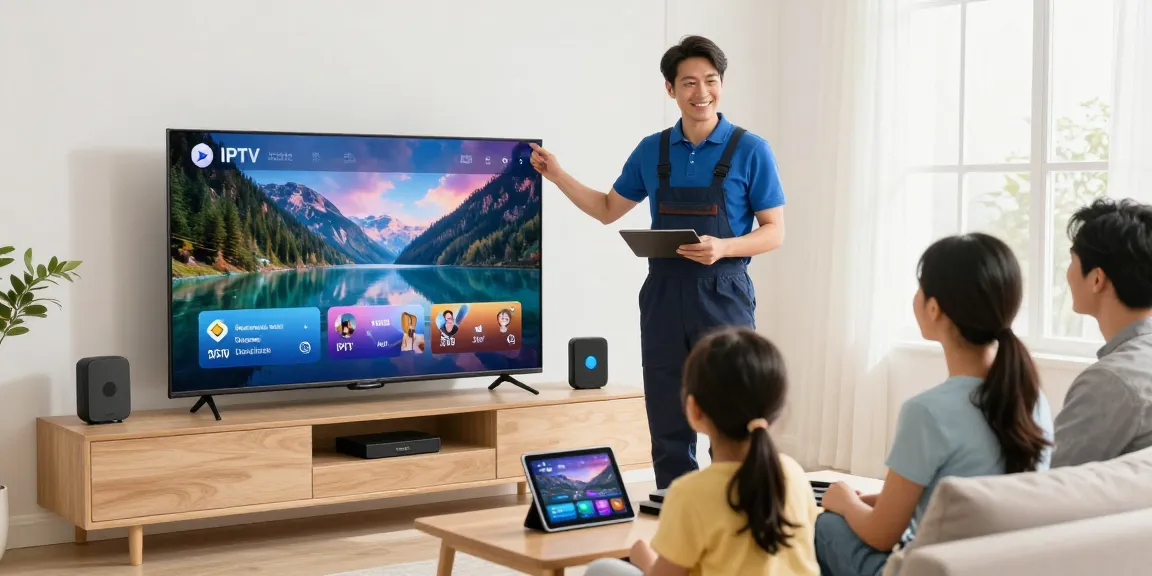
As the way we consume media evolves, IPTV services are becoming an increasingly relevant solution for many households looking to replace traditional cable television. With a plethora of choices available, it can be daunting to find a reliable provider that meets your specific needs. This guide aims to illuminate the essentials of IPTV services, helping you make informed decisions, while also addressing the most common concerns users face, such as buffering issues, content availability, and customer support. Understanding the mechanics of IPTV is crucial for anyone looking to transition from a conventional television package to a more flexible, internet-based service that caters to diverse viewing preferences.
Understanding IPTV Services: What You Need to Know
What are IPTV Services?
IPTV services, or Internet Protocol Television services, enable users to stream television content over the Internet instead of through traditional terrestrial, satellite, or cable formats. Through IPTV, viewers can access live TV broadcasts and on-demand content via a broadband connection, transforming the way entertainment is delivered to the home. This modern approach offers greater flexibility, allowing subscriptions that can be viewed across multiple devices including televisions, computers, and mobile phones.
Benefits of IPTV Compared to Traditional TV
IPTV services provide several advantages over traditional cable packages, making them a compelling choice for many consumers. Key benefits include:
- Flexibility: Stream on various devices such as smart TVs, smartphones, tablets, and computers, offering multi-screen usage without being tethered to a cable subscription.
- Cost-Effectiveness: Lower monthly fees and the ability to choose from various plans that best fit your viewing habits can lead to significant savings.
- Extensive Channel Selection: Access thousands of channels, including international content, sports, and niche programming that may not be available on standard cable packages.
- On-Demand Access: Catch-up TV features allow you to view content at your convenience rather than adhere to a prescribed broadcast schedule.
How IPTV Services Work: A Simple Breakdown
IPTV works by delivering television content via the Internet rather than through traditional broadcast methods. This involves converting television signals into data packets that can be sent over your broadband connection. Here’s a basic breakdown of how it operates:
- Subscription Process: A user subscribes to a service and pays a monthly fee.
- IPTV Application: An IPTV app is installed on the user’s device, providing access to the service.
- Content Delivery: When a channel is selected, a request is sent to the server which responds with the relevant data stream in real time.
- Playback: The IPTV app receives and decodes the stream, displaying it on the user’s device.
Choosing the Right IPTV Provider for Your Needs
Factors to Consider When Selecting IPTV Services
When considering IPTV services, it's essential to assess various factors to determine the best fit for your viewing requirements:
- Channel Selection: Ensure the provider offers a range of channels that cater to your preferences, including local and international content.
- Streaming Quality: Look for providers that guarantee high-definition (HD) and 4K streaming without buffering.
- Device Compatibility: Check if the service is compatible with your existing devices and smart TV models.
- Customer Support: Reliable customer service is crucial, so look for providers with multiple channels of support, including live chat and phone support.
Key Features to Look for in IPTV Providers
Here are some essential features to look for when evaluating IPTV providers:
- Reliable Server Infrastructure: A strong infrastructure ensures low-latency streaming with minimal buffering, particularly during peak hours.
- Catch-Up TV: The ability to watch previously aired content provides added flexibility.
- Multiple User Accounts: Family plans that allow multiple profiles or simultaneous streams can enhance user experience.
- Content Licensing: Ensure the provider has the necessary rights to stream the content legally.
Assessing the Reputation and Trustworthiness of Local Providers
It’s vital to evaluate the reliability of local IPTV providers. Look for user reviews, industry recommendations, and any signs of transparency regarding subscription options and licensing. Reputable providers will have clear terms of service and transparent pricing without hidden fees.
Cost of IPTV Services: Pricing Guides and Packages
Typical Pricing Models for IPTV Subscriptions
IPTV services often offer various pricing models, including:
- Monthly Subscriptions: The most common model, allowing users to pay a fixed fee each month.
- Annual Subscriptions: These often provide discounts for upfront payments over a year compared to the monthly plan.
- Pay-Per-View: Users pay for specific events or content, such as live sports or movie rentals.
Understanding Additional Costs and Fees
When assessing an IPTV service, consider costs beyond just the subscription price. Some providers may impose fees for:
- Installation assistance or equipment rentals
- Additional features like DVR storage
- Access to premium channels or added content libraries
Promotions and Discounts from Local IPTV Providers
Many IPTV providers offer promotions, especially for new customers, which can help reduce initial costs. Look out for introductory prices, referral discounts, or bundled deals when evaluating your options.
Legal Considerations and Compliance for IPTV Services
Understanding Licensing and Content Rights for IPTV
Licensing is one of the most crucial aspects of IPTV services. Providers must obtain the right licenses to broadcast content legally, which protects users from legal repercussions. Always confirm that your chosen provider is compliant with licensing laws.
Local and International Regulatory Guidelines
Local legislation regarding streaming content can vary significantly, especially between the UK and other countries. Understanding these regulations can help users ascertain what forms of content may be available legally through IPTV services.
How to Ensure Your IPTV Service is Legal
To ensure that your IPTV service is legal, always select providers that:
- Are registered businesses with transparent operational practices.
- Provide valid information regarding their licensing agreements.
- Utilise reputable billing practices and offer legitimate payment channels.
Customer Experiences and Testimonials
Gathering User Reviews: Why They Matter
User reviews can provide insight into the reliability and quality of a service. Examine multiple testimonials to reveal consistent experiences, both positive and negative, and consider engaging with providers who actively respond to feedback.
Common Customer Concerns and Feedback
Potential subscribers often voice several concerns, including:
- Buffering during peak viewing hours.
- Lack of customer support when issues arise.
- Discrepancies between advertised and available content.
Real-Life Success Stories with IPTV Services
Many users have seamlessly transitioned to IPTV services, often noting improvements in their viewing experience compared to traditional cable subscriptions. These success stories frequently highlight the extensive content variety and improved responsiveness of IPTV support teams, showcasing how users adapt their viewing habits effectively.