Understanding the Importance of a Cat Tree
Every cat owner knows that providing a stimulating environment for their feline friend is essential. This is where a cat tree comes into play. These structures not only serve as a dedicated space for scratching and climbing but also significantly enhance a cat's quality of life. Understanding the multifaceted role of a cat tree can help you make an informed decision when it comes to enhancing your pet's living environment.
Why Every Cat Needs a Cat Tree
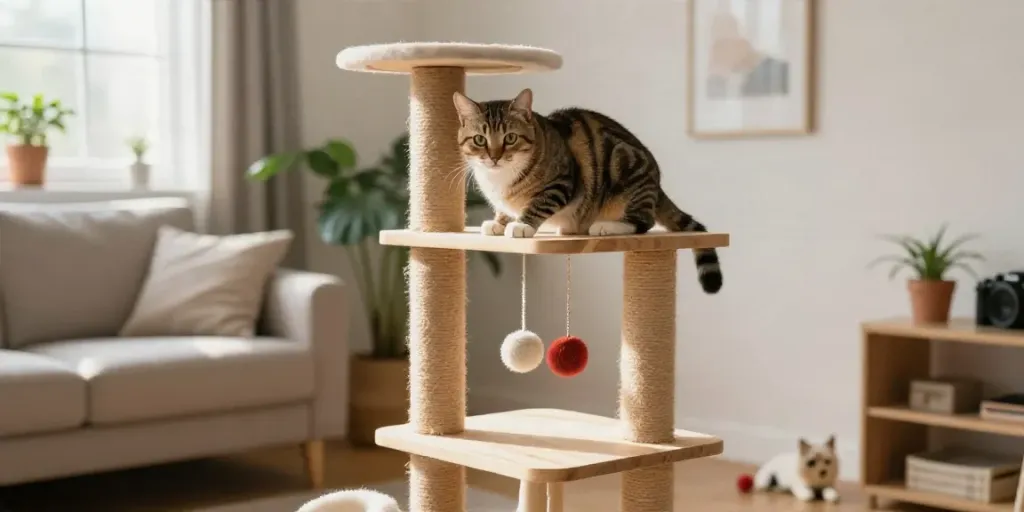
Cats are natural climbers and explorers. They thrive in environments that allow them to engage in these behaviors. A cat tree provides a vertical space where your kitty can safely enjoy climbing, perching, and playing. This kind of structure is especially important for indoor cats, who may not have access to the tree branches and ledges that outdoor cats enjoy. Moreover, a well-placed cat tree can help reduce destructive behaviors by giving your cat a designated area for scratching and climbing.
Benefits of a Cat Tree for Mental Health
A cat tree contributes positively to your cat's mental health. It can help alleviate boredom and anxiety, particularly for indoor cats. When cats have access to multiple levels, they can explore their environment in a way that mimics their natural hunting and climbing instincts. This mental stimulation is crucial for their well-being. Additionally, cat trees that incorporate hiding spots or enclosed areas can provide a sense of security and retreat for shy or anxious cats.
How Cat Trees Promote Physical Activity
Physical play is vital to a cat’s health, and a cat tree is an excellent tool for promoting this behavior. The different levels and platforms provided by a cat tree encourage cats to jump, stretch, and exercise. Regular physical activity helps to maintain a healthy weight and reduces the risk of obesity-related health issues. For more active breeds, having a cat tree can be particularly beneficial, giving them an outlet for their energy.
Choosing the Right Cat Tree for Your Home
Selecting the perfect cat tree is an important investment in your pet's happiness. Understanding the various factors that contribute to a functional and appealing cat tree can help you make a wise choice. Here are several key considerations to keep in mind as you shop.
Factors to Consider When Selecting a Cat Tree
- Size: Measure your space to ensure that the tree fits comfortably in your home without overwhelming the area.
- Height: Consider how high you want the cat tree to be. Taller trees tend to be more engaging for active cats.
- Design: Look for a design that complements your home decor while being functional for your pet.
- Stability: A cat tree should be stable enough to support your cat's weight and not tip over during use.
Materials and Durability: What to Look For
The material of the cat tree is crucial in determining its longevity. Look for cat trees made from sturdy materials such as faux wood or pressed wood with a stable base. The coverings should be durable and easy to clean. Sisal rope is often used for scratching posts, as it is resilient and safe for cats. Cheaper materials may not withstand vigorous play and can lead to safety hazards.
Size Matters: Choosing the Right Height
When selecting a cat tree, consider your cat's size and jumping ability. Larger breeds, such as Maine Coons or Ragdolls, may require a sturdier and taller tree. Make sure that the platforms are appropriately spaced so that even the most playful cat can jump between them comfortably without strain.
Different Types of Cat Trees Available
The market offers a plethora of designs and styles in cat trees, catering to all cats, whether they’re energetic kittens or mature adults. Understanding the different types can help you select the tree that best suits your feline friend’s needs.
Multi-Level vs. Compact Cat Trees
Multi-level cat trees are perfect for households with multiple cats or very active felines, providing various play areas and hiding spots. Compact cat trees, on the other hand, work well in smaller living spaces and often include both a scratching surface and a resting area in one piece. It's essential to choose based on your home layout and your cat’s personality.
Modern Designs vs. Traditional Styles
Modern cat trees often feature sleek designs and may be made with materials that fit contemporary decor. Traditional styles, while perhaps bulkier, often give cats more climbing surfaces and scratching posts. Ultimately, the choice between modern and traditional should reflect both your aesthetic preferences and your cat’s needs for activity and comfort.
Specialized Cat Trees for Large Breeds
Some cat trees are specifically designed for larger breeds that require additional support and stability. These trees come equipped with wider platforms and sturdier bases to ensure safety and comfort for bigger cats. Ensuring your cat has a tree that accommodates its size helps to prevent accidents and gives your pet a secure area to play and lounge.
How to Properly Place and Maintain a Cat Tree
The placement of your cat tree is just as crucial as its design. To maximize its benefits, consider both practical and environmental factors that can enhance your cat’s experience.
Optimal Placement in Your Living Space
Ease of access is critical when selecting a spot for your cat tree. Place it near windows to provide a view of outdoor activity or in a common area where your cat can be part of family life. Ensure that the area around the tree is free from hazards, so your cat can safely jump and play. Ideally, the tree should also be placed away from furniture that the cat might use to jump onto the tree, which can lead to accidents.
Cleaning Tips for Cat Trees
Maintenance is key to keeping your cat tree appealing and hygienic. Regularly vacuum and spot-clean the surfaces to remove hair and debris. Use pet-safe cleaners to sanitize areas that may harbor bacteria. If the scratching posts wear down, consider replacing them to ensure your cat has a suitable outlet for its natural scratching instinct.
Enhancing the Experience: Adding Accessories
Enhance the functionality of your cat tree by adding accessories. Toys, blankets, and catnip can make the space more inviting and enjoyable. You can also consider using hideaways or tunnels for added interest. Placing a few of your cat’s favorite toys nearby can encourage them to explore and engage with the tree.
Future Trends in Cat Furniture for 2026
As the pet industry evolves, so too does the design of cat furniture. Keeping an eye on emerging trends can help you stay ahead of the game when selecting the best options for your cat.
Innovations in Cat Tree Designs
In 2026, we can expect to see more innovative designs that cater to not just cats but also to the aesthetics of modern homes. This includes furniture that doubles as cat trees, integrating seamlessly with home decor. Look for trees that offer removable, washable coverings or those that can be adjusted in height.
Eco-Friendly Materials and Sustainability
As more consumers become environmentally conscious, manufacturers are responding with sustainable materials for cat furniture. Expect an increase in cat trees made from recycled or sustainably-sourced materials that are both durable and eco-friendly.
Smart Technology Integration in Cat Furniture
With technology advancing rapidly, we might see cat trees equipped with smart features such as integrated cameras or automated movement that engages cats while their owners are away. This integration can further enhance mental stimulation for cats and convenience for pet owners.
Frequently Asked Questions
Is it worth getting a cat tree?
Absolutely! A cat tree is a fantastic investment for enhancing your cat's living environment, promoting physical health, and satisfying their natural instincts to climb and scratch.
What features should I look for in a cat tree?
Look for essential features such as stability, durability, safety, height, and the inclusion of scratching posts. It's also helpful to examine the materials used in construction.
Are cat trees good for large cats?
Yes, they can be! Specialized cat trees designed for larger breeds provide the necessary support and safety, accommodating their weight and activity levels.
How to encourage my cat to use the tree?
Introducing the cat tree with treats, toys, or even catnip can entice your cat to explore it. Placing it in a familiar environment where your cat feels secure can also help.
What are popular cat tree brands in 2026?
Brands like Frisco, Vesper, and PetFusion have gained recognition for their quality and innovative designs. Researching user reviews and experiences can also guide you in selecting a reputable brand.