Understanding Felt Roofs
Felt roofs have long been a popular choice for flat roofing solutions, primarily due to their effectiveness and affordability. When installed correctly, they offer an excellent barrier against water and can withstand various weather conditions. With the advancements in roofing materials and techniques, modern felt roofing systems provide enhanced durability compared to older variants. Today, homeowners searching for felt roof solutions can find a wealth of options tailored to suit specific requirements.
What is a Felt Roof and How It Works?
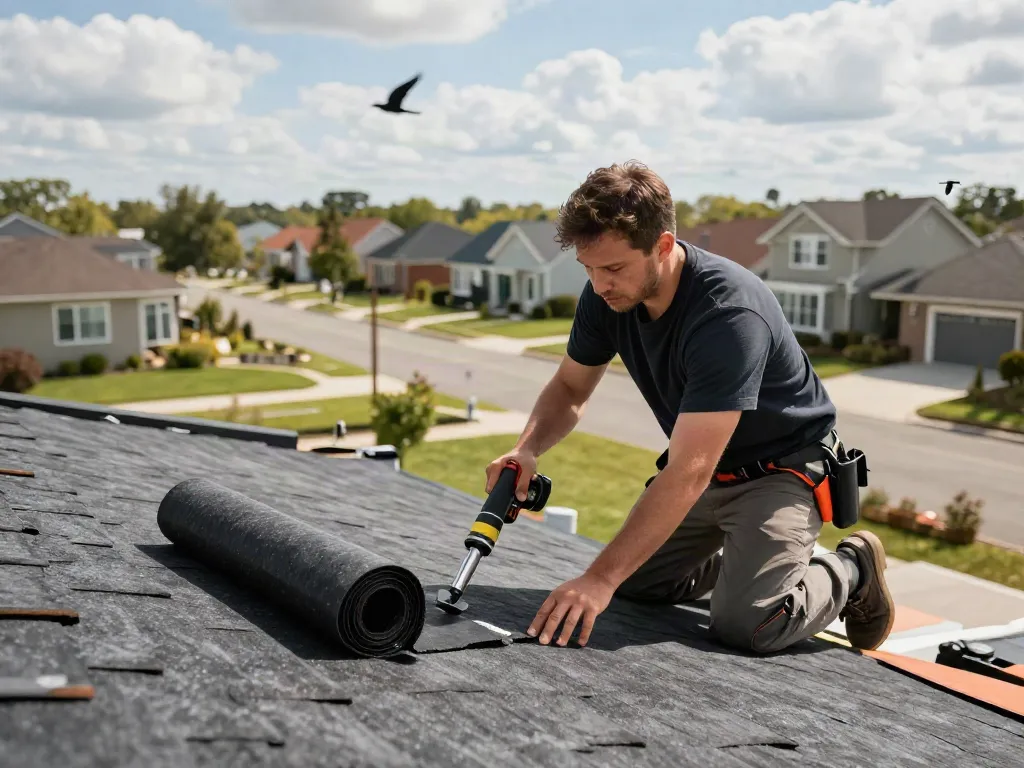
A felt roof typically consists of layers of felt material saturated with bitumen or other waterproofing substances. This construction creates a durable surface that effectively repels water, making it an ideal choice for buildings with flat or low-slope roofs. The installation involves applying the felt in overlapping sheets, ensuring that seams are sealed to prevent leaks. The bonding of layers is achieved using heat (torch-on method) or adhesive, providing a robust roof that can last for many years.
Key Benefits of Installing a Felt Roof
- Cost-Effective: Felt roofing is generally more affordable than other materials, making it a budget-friendly option for homeowners.
- Durability: Modern felt roofing systems are designed to withstand harsh weather, with some offering up to 20 years of lifespan with proper maintenance.
- Easy Maintenance: Felt roofs require minimal maintenance, with periodic inspections and upkeep ensuring longevity.
- Energy Efficiency: Many felt roofing systems can be combined with insulation, improving energy efficiency and reducing heating costs.
Common Misconceptions About Felt Roofing
Despite its popularity, there are several misconceptions surrounding felt roofing. One belief is that felt roofs are not suitable for residential properties, which is untrue. They are widely used in domestic settings, particularly for garages, extensions, and flat roofs. Another misconception is that felt roofs have a short lifespan when, in reality, high-quality felt systems can last up to two decades or longer with appropriate care.
Choosing the Right Felt Roofing System
When considering a felt roofing installation, understanding the various types available is essential. This knowledge helps homeowners make informed decisions based on their specific needs and circumstances.
Types of Felt Roof Materials Available
There are primarily two types of felt roofing materials: bitumen felt and synthetic felt. Bitumen felt, which has been traditionally used, contains asphalt and can be applied in a torch-on method for enhanced sealability. Synthetic felt, a newer option, offers improved tear resistance and UV protection, making it suitable for areas with intense sunlight.
Factors to Consider When Selecting a System
Several factors come into play when choosing a felt roofing system. The roof's slope, the local climate, and the specific use of the building are crucial aspects. Additionally, it is essential to consider the roof's exposure to direct sunlight, as some materials may degrade faster when subjected to UV rays. Lastly, insulation options should also be evaluated, as adding insulation can enhance energy efficiency and comfort within the building.
Differences Between Traditional and Modern Felt Roofs
Modern felt roofing systems have improved significantly over their predecessors. Traditional felt often consisted of a single layer of bitumen, which was prone to cracking and deterioration. In contrast, today's felt roofs employ multiple layers, including a base layer for added insulation and waterproofing, providing a more robust and reliable solution.
Finding Trusted Roofing Professionals
Choosing the right contractor for felt roofing work is paramount to ensuring a successful installation or repair. Homeowners should follow a structured approach to identify qualified professionals.
How to Identify Qualified Felt Roofing Specialists
When looking for a felt roofing contractor, homeowners should prioritize experience and expertise. A trustworthy roofer should be able to provide references and showcase previous work. Checking online reviews and testimonials from past clients can also offer valuable insights into the contractor's reliability.
The Importance of Insurance and References
Having insurance coverage is crucial for any roofing contractor. It protects homeowners from potential liabilities in case of accidents during the roofing process. Additionally, reputable contractors should be willing to share references from previous projects, allowing clients to gauge their workmanship and professionalism.
What to Expect During a Roofing Consultation
During a consultation, homeowners should expect a thorough assessment of their roofing needs. The contractor will likely inspect the roof, provide a detailed explanation of the proposed work, and answer any questions. This is also an opportunity to discuss materials, costs, and expected timelines for the project.
Cost Considerations for Felt Roofing
Understanding the financial aspects of felt roofing is essential for homeowners. Different factors come into play, influencing the overall cost of installation or repair.
Typical Costs of Felt Roof Installation and Repairs
The installation cost of a felt roof can vary widely based on the roof's size, the type of materials used, and the complexity of the project. Generally, prices can range from £45 to £100 per square meter. Repairs tend to be more cost-effective, typically falling between £300 and £800, depending on the extent of the damage.
How to Get Accurate Quotes from Roofers
To obtain accurate quotes, homeowners should provide detailed information about their roofing needs. This includes the roof size, current condition, and any specific preferences or requirements. It is advisable to get multiple quotes from different contractors to ensure fair pricing.
Understanding the Long-Term Value of a Felt Roof
Investing in a felt roof not only provides immediate protection but also offers long-term benefits. A well-installed felt roof can significantly enhance a property's value, improve energy efficiency, and reduce future repair costs.
Maintaining Your Felt Roof
Regular maintenance is key to prolonging the life of a felt roof. Homeowners should be proactive in caring for their roofing systems to prevent small issues from escalating into costly repairs.
Routine Maintenance Tips for Longevity
- Regular Inspections: It is important to inspect the roof at least twice a year and after severe weather events.
- Debris Removal: Keeping the surface clear of leaves, branches, and debris can prevent water pooling and damage.
- Patching Small Leaks: Addressing small leaks as soon as they are detected can save significant repair costs down the line.
Signs Your Felt Roof Needs Repair or Replacement
Homeowners should be vigilant for signs of potential issues. Common indicators include visible wear and tear, soft spots, and water stains on interior ceilings. If leaks or significant damage are detected, it may be time to consult a professional for repairs or replacement.
Future Trends in Felt Roofing Technologies
As roofing technology advances, the felt roofing industry is witnessing innovations such as enhanced UV-resistant materials and environmentally friendly options. Future trends may also include smart roofing solutions that integrate sensors to monitor roof health in real-time, providing valuable data for homeowners.
What Are Common FAQs About Felt Roofing?
Many homeowners have questions regarding felt roofing. Some common inquiries include its lifespan, the best conditions for installation, and how it compares to other materials. Homeowners are encouraged to seek comprehensive answers from reputable contractors to make informed choices.
How Can Homeowners Protect Their Investment?
To safeguard their investment in a felt roof, homeowners should commit to regular maintenance, timely repairs, and periodic professional assessments. This proactive approach not only prolongs the life of the roof but also ensures ongoing protection for the home.
What Should You Look For in a Roofing Contract?
A solid roofing contract should outline the scope of work, materials to be used, timelines, payment details, and warranties. Homeowners should read the contract carefully and ensure they understand all terms before signing.
Are There Environmental Considerations for Felt Roofing?
Felt roofing materials can vary in their environmental impact. Homeowners should consider options that incorporate recycled materials or sustainable practices, aligning their roofing choices with their environmental values.
What is the Best Season for Roofing Projects?
While roofing can be done year-round, late spring and early fall are often considered ideal due to more favorable weather conditions. Homeowners should consult with their contractors to determine the best timing based on local climate factors.
How Do Climate Conditions Affect Felt Roof Performance?
Climate can significantly influence the performance and durability of felt roofing systems. In areas with extreme temperatures, specialized materials may be necessary to ensure longevity. Homeowners should consider their local weather patterns when selecting roofing materials.