
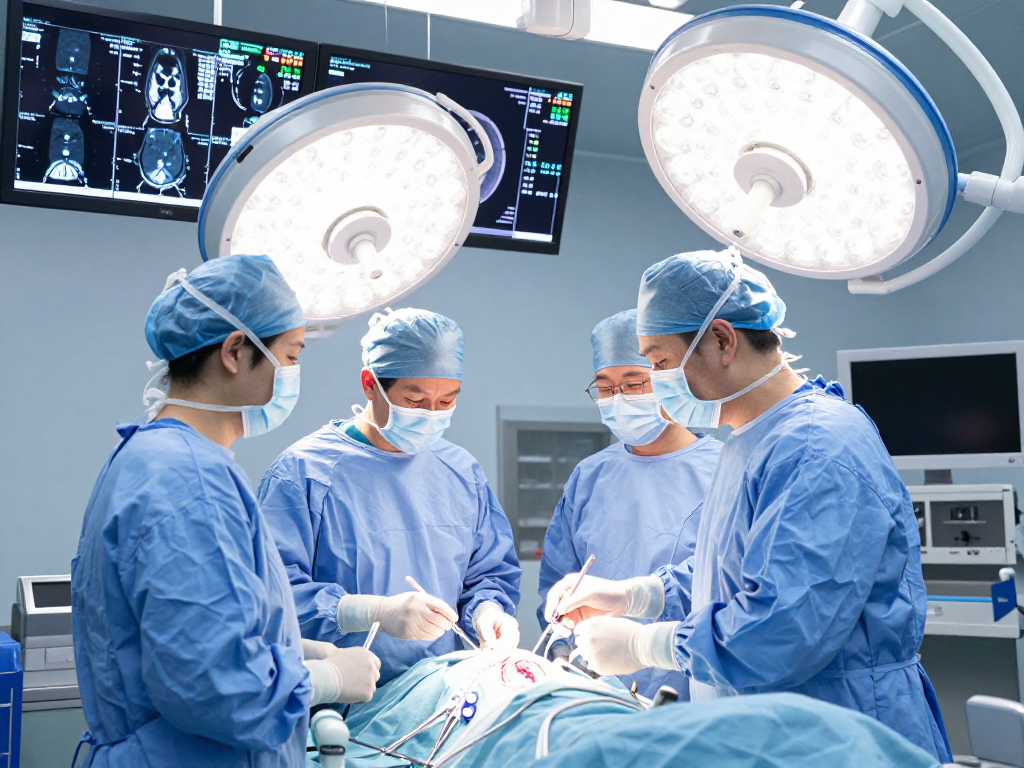
Understanding Brain Tumor Surgery and Its Importance
Brain tumor surgery is a critical medical procedure aimed at removing tumors from the brain, a delicate and complex organ central to human function. With thousands of patients diagnosed with brain tumors annually, the need for specialized and skilled professionals has never been greater. A well-trained brain tumor surgery specialist plays a vital role in this journey, ensuring effective treatment and compassionate care throughout the process.
What is Brain Tumor Surgery?
Brain tumor surgery involves various techniques to excise abnormal growths that can be malignant (cancerous) or benign (non-cancerous). The primary goal is to remove as much of the tumor as possible while preserving surrounding brain tissue. This delicate balance is crucial, as the location of a tumor can affect vital functions such as movement, speech, and memory. Depending on the type of tumor, the surgery may be carried out through a traditional open approach or minimally invasive techniques.
Why Choosing a Brain Tumor Surgery Specialist Matters
Selecting a qualified brain tumor surgery specialist is essential for optimal outcomes. These experts possess extensive training in neurosurgery, including in-depth knowledge of brain anatomy and advanced surgical techniques. Their expertise is critical not only in successfully removing the tumor but also in minimizing potential complications and ensuring the best possible recovery for the patient.
The Role of Neurosurgeons in Patient Care
Neurosurgeons are at the forefront of brain tumor treatment, providing comprehensive care from diagnosis through recovery. They collaborate with a multidisciplinary team, which may include oncologists, radiologists, and rehabilitation specialists. This holistic approach ensures that each patient's treatment plan is tailored to their unique situation, addressing both medical and emotional needs throughout the journey.
Preparing for Brain Tumor Surgery: What Patients Should Know
Preparation for brain tumor surgery is vital for both patients and their families. Understanding the process can alleviate fears and set the stage for a smoother experience overall. This section will cover the essential aspects of getting ready for surgery.
Initial Consultations with a Brain Tumor Surgery Specialist
During the initial consultation, patients will undergo a comprehensive evaluation where the specialist will review their medical history, symptoms, and diagnostic imaging results. This information is crucial in determining the best surgical approach and developing a personalized treatment plan. Patients are encouraged to ask questions and express any concerns during these consultations.
Diagnostic Tests and Imaging Techniques
Before surgery, a range of diagnostic tests may be conducted to provide a clearer picture of the tumor's characteristics and its impact on surrounding brain structures. Common imaging techniques include:
- Magnetic Resonance Imaging (MRI): Provides detailed images of the brain's structure.
- Computed Tomography (CT) Scans: Offers cross-sectional views of the brain, helping to locate the tumor.
- Positron Emission Tomography (PET) Scans: Assesses metabolic activity and highlights cancerous cells.
Understanding the Surgical Procedure
Patients should familiarize themselves with the surgical procedure, which typically involves the following steps:
- Anesthesia: Patients are placed under general anesthesia to ensure comfort during surgery.
- Craniotomy: In many cases, a section of the skull is temporarily removed to access the brain.
- Tumor Removal: The surgeon carefully excises the tumor, attempting to leave healthy tissue intact.
- Closure: The skull section is replaced, and the scalp is sutured.
Post-Surgery Recovery and Support
Recovery from brain tumor surgery can vary significantly depending on various factors such as the tumor's size, location, and the type of surgical approach used. Understanding what to expect during the recovery process can help ease the transition back to daily life.
What to Expect After Brain Tumor Surgery
After surgery, patients may experience several physical and cognitive changes, including:
- Swelling and bruising at the surgical site.
- Fatigue and weakness.
- Cognitive changes like memory lapses or difficulty concentrating.
- Emotional shifts, including anxiety or mood swings.
Close monitoring and follow-up appointments are essential during this time to address any complications promptly and adjust recovery plans as needed.
Rehabilitation and Follow-Up Care with Specialists
Post-operative rehabilitation often involves a multidisciplinary team, including physical therapists, occupational therapists, and neuropsychologists. These specialists work together to support patients' recovery, helping them regain strength and cognitive function.
Managing Emotional and Psychological Impacts
Coping with the emotional and psychological effects of undergoing brain surgery is an essential component of recovery. Many patients benefit from support groups, counseling, or therapy to help them navigate the changes they face during recovery.
Innovative Techniques in Brain Tumor Surgery
Advancements in technology have transformed brain tumor surgery, providing neurosurgeons with innovative tools and techniques to improve patient outcomes. This section will explore some of the cutting-edge methods currently shaping the field.
Advancements in Surgical Technologies
Modern surgical technologies have drastically improved precision and safety in brain tumor surgery. Innovations include:
- Neuro-navigation Systems: These systems provide real-time imaging during surgery, assisting surgeons in locating tumors with greater accuracy.
- Intraoperative MRI: Allows for real-time scanning of the brain during surgery, ensuring the complete removal of tumor tissue.
- Image-Guided Surgery: Integrates advanced imaging techniques into surgical procedures, enhancing decision-making and outcomes.
Minimally Invasive Techniques in Neurosurgery
Minimally invasive surgical techniques have gained prominence for their ability to reduce recovery times and minimize scarring. Methods such as endoscopic surgery utilize small incisions and specialized instruments to remove tumors while preserving surrounding tissue.
Integrating Multidisciplinary Approaches for Better Outcomes
Collaboration among various healthcare professionals is essential in providing comprehensive care. By integrating neurosurgeons, oncologists, and rehabilitation specialists, patients receive well-rounded treatment that addresses all aspects of their health.
Future Trends in Brain Tumor Treatment
The field of brain tumor treatment is rapidly evolving, with promising research and technologies on the horizon. This section discusses future trends that may further enhance patient care and surgical outcomes.
Emerging Research and Technologies in Neurosurgery
Current research focuses on developing novel therapies and techniques to improve brain tumor surgery. Studies on tumor genetics and molecular profiling are leading to more personalized treatment approaches, ensuring more precise targeting of therapies.
The Impact of Artificial Intelligence on Surgical Precision
Artificial intelligence (AI) is set to revolutionize surgical practices by improving diagnostic accuracy and streamlining surgical procedures. AI algorithms can assist neurosurgeons in identifying tumors and planning surgical approaches based on vast datasets.
Patient-Centered Innovations for Enhanced Care
Innovation is increasingly directed toward improving the patient experience. Telehealth, for example, provides patients with access to their specialists from the comfort of their homes, facilitating follow-up care and support.
Frequently Asked Questions
What are the risks associated with brain tumor surgery?
As with any surgical procedure, brain tumor surgery carries inherent risks, including infection, bleeding, and neurological deficits. The specific risks vary based on the tumor's location and the complexity of the procedure.
How can patients prepare effectively for surgery?
Effective preparation includes understanding the procedure, discussing concerns with the surgical team, following pre-operative instructions, and arranging for post-operative support.
What are the long-term outcomes of brain tumor surgery?
Long-term outcomes depend on several factors, such as tumor type, location, and how much was successfully removed during surgery. Many patients experience significant improvements in quality of life post-surgery, though regular follow-up care is essential.
How do innovative techniques improve surgical success?
Innovative techniques enhance surgical success by providing improved visualization, reducing trauma to surrounding tissues, and increasing the precision of tumor removal, all of which contribute to better outcomes.
What resources are available for patient support post-surgery?
Post-surgery, patients have access to various resources, including support groups, rehabilitation services, counseling, and educational materials to aid in recovery.