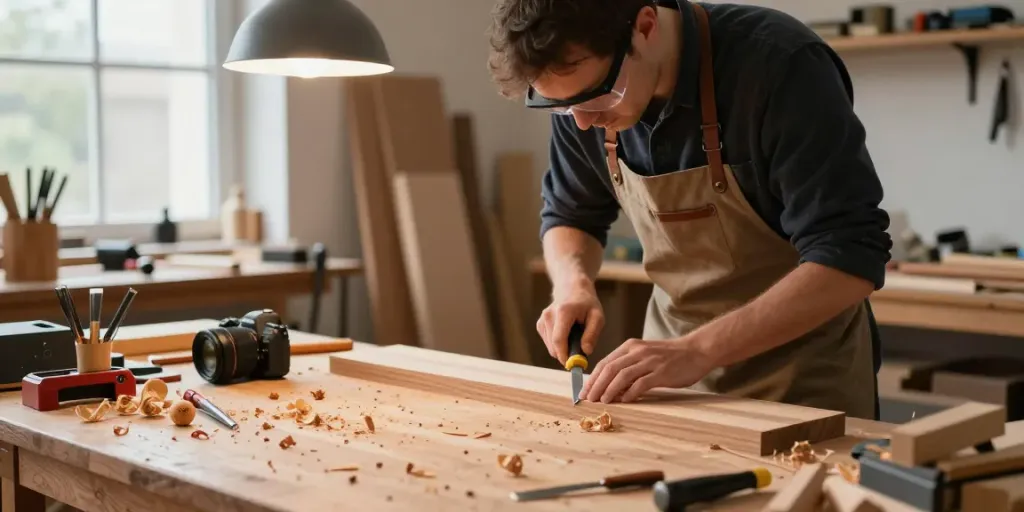
Understanding the Festool Knife: Design and Features
The Festool knife is a specialized tool designed for craftsmen who demand precision and durability in their cutting implements. Renowned for its unique blend of functionality and ergonomic design, the festool knife stands out in a crowded market. In this article, we'll delve into its specifications, materials used, and what makes it a preferred choice for both professionals and hobbyists alike.
1. Overview of Festool Knife Specifications
The Festool knife typically features a blade length of 8.5 cm (approx. 3.35 inches), making it versatile enough for a range of cutting tasks. The total length when opened is around 20 cm (approx. 7.87 inches), which provides a comfortable grip for extended use. Weighing only 180 grams, this knife balances portability and usability, allowing craftsmen to carry it effortlessly in their toolkits.
2. Materials Used in Festool Knife Construction
One of the standout features of the Festool knife is its high-quality materials. The handle is often crafted from olive wood, known for its strength and aesthetic appeal. The blade, made from 3Cr13 stainless steel, is both durable and capable of retaining a sharp edge, making it ideal for various cutting applications, from packaging to detailed woodworking tasks. This combination of materials not only enhances the knife's longevity but also contributes to its premium feel in hand.
3. Unique Selling Points Compared to Competitors
When compared to other brands on the market, the Festool knife excels in several areas. Its ergonomic design reduces hand fatigue during prolonged use, and the safety lock features ensure secure handling. Furthermore, its replaceable blade mechanism simplifies maintenance, allowing users to keep their knife in optimal condition without requiring extensive tools or expertise. These features make the Festool knife not just a tool, but an investment in craftsmanship.
Choosing the Right Festool Knife for Your Projects
Selecting the appropriate Festool knife involves evaluating your specific craftsmanship needs and understanding the different options available. Festool provides various models tailored to different applications, ensuring that there’s a perfect knife for everyone from professional contractors to DIY enthusiasts.
1. Identifying Your Craftsmanship Needs
Understanding what you need the knife for is crucial. Do you require it primarily for woodworking, or will you be using it for tasks like trimming packaging? Identifying your primary projects will help you choose the right knife model that suits your requirements best.
2. Different Types of Festool Knives
Festool offers several variations of their knives, each designed for specific tasks. For instance, the KN-FT1 is designed with safety in mind, making it an excellent choice for those who prioritize both cutting power and user security. Other models may focus on precision, catering to fine woodworking or craft projects. Knowing the differences will guide you to the right option for your needs.
3. Factors to Consider When Buying
- Ergonomics: Choose a knife that feels comfortable in your hand, especially for prolonged use.
- Blade Material: Opt for high-quality stainless steel blades that maintain sharpness and resist corrosion.
- Ease of Use: Look for features like safety locks and replaceable blades to enhance usability.
Mastering Techniques with the Festool Knife
Owning a Festool knife is just the beginning; mastering it is essential for any craftsman. Understanding techniques and maintenance will elevate your work quality and prolong the life of your knife.
1. Essential Cutting Techniques for Precision
To get the most out of your Festool knife, it is important to learn the right cutting techniques. Use gentle pressure to guide the blade through the material without forcing it, as this can lead to uneven cuts or damage to the blade.
2. How to Maintain Your Festool Knife
Regular maintenance is vital for keeping your Festool knife in prime condition. Clean the blade after each use to prevent residue buildup, and regularly check the sharpness. A honing stone or a dedicated knife sharpener can help maintain the edge, ensuring that the knife performs efficiently.
3. Advanced Techniques for Expert Craftsmen
For those looking to refine their skills, advanced techniques such as using the knife for detailed inlays or intricate trimming can enhance your craftsmanship significantly. Experiment with different angles and cutting motions to discover what works best for your specific applications.
Common Challenges and Solutions Using the Festool Knife
Like any tool, users might face challenges when utilizing the Festool knife. Understanding these potential issues and how to address them can significantly improve the user experience.
1. Addressing Misconceptions About the Festool Knife
One common misconception is that high-quality tools are too specialized to be versatile. However, the Festool knife is designed to be adaptable for various tasks without losing efficacy, making it suitable for multiple projects.
2. Troubleshooting Common Issues
If you experience difficulties with blade dullness or misalignment, refer to the user manual for troubleshooting tips. Ensuring that the locking mechanism is properly engaged can also prevent accidental blade movement during use.
3. Tips for Enhancing Usability
- Wear Safety Gear: Consider using gloves and safety glasses when operating your knife, particularly for more intricate or hazardous cuts.
- Use a Cutting Mat: A cutting mat can provide a stable surface that protects both the knife blade and the material being worked on.
Future Trends in Craftsmanship with Festool Knives
The craftsmanship landscape is evolving, and so are the tools that facilitate it. Understanding future trends can influence purchasing and usage decisions.
1. Innovations Expected in the Festool Knife Lineup
Festool is known for its innovation, so we can anticipate new models with improved ergonomics, materials, and functionalities. Features like smart technology integration could be on the horizon, enhancing usability even further.
2. The Evolving Role of Craftsmanship in 2026
As technology advances, craftsmanship will likely meld traditional techniques with modern innovations, opening new avenues for creativity. The role of tools such as the Festool knife will become increasingly vital in this hybrid landscape.
3. Integrating Festool Products into Modern Workshops
In 2026, crafting will likely involve a more holistic approach, where tools work seamlessly together. Integrating the Festool knife with other Festool products can create a cohesive workflow, maximizing efficiency and output quality.
What is the best knife for woodworking?
The best knife for woodworking varies based on personal preference, but high-quality options like the Festool knife can provide the precision and durability needed in a workshop setting.
What are the advantages of using a Festool knife?
Advantages include ergonomics, superior material quality, safety features, and the versatility to perform well across different applications.
How to maintain the quality of my Festool knife?
Regular cleaning, safe storage, and sharpening the blade when necessary will help maintain the quality and performance of the Festool knife.
Why is the Festool knife considered premium?
It is considered premium due to its high-quality materials, excellent craftsmanship, and the brand's reputation for durability and performance.
Are there any accessories for the Festool knife?
Yes, there are various accessories designed to enhance the functionality of the Festool knife, including replacement blades and specialized carrying cases.. Additionally, Mister Worker provides further details.