
Understanding Petanque: A Brief History
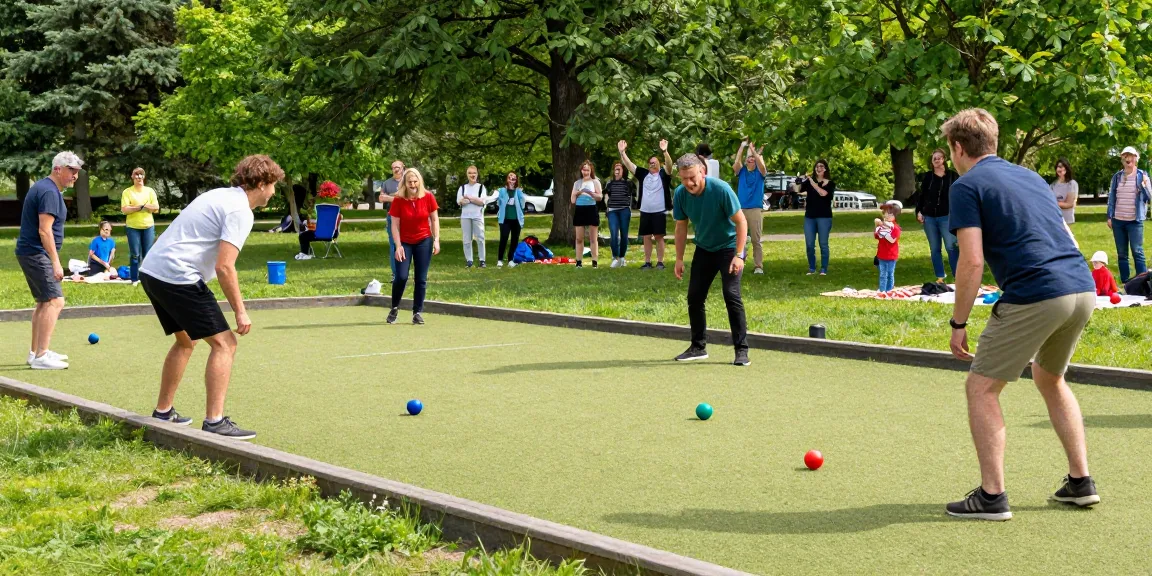
Petanque, a beloved outdoor game resembling boules, has gained traction across various regions of the globe, including Indonesia. Often played in parks and casual gatherings, it has become a staple pastime in many communities. In Bontang, Kalimantan Timur, Petanque is not just a sport; it’s an avenue for social interaction, competition, and the promotion of local culture. For deeper insights into Petanque in Indonesia, particularly in Bontang, check out fopikotabontang.org.
Origins of Petanque in Indonesia
The origins of Petanque in Indonesia can be traced back to the influence of French expatriates, who introduced the sport alongside their culture. Although the exact timeline remains unclear, it is generally accepted that Petanque began making its way into Indonesia during the late 20th century. Notable cities such as Jakarta, Lombok, Yogyakarta, and Bali served as the initial hubs for the sport. The introduction of Petanque was often linked to leisure activities at French-managed hotels like the Novotel in Kuta and Horizon Ancol, where facilities were established for guests to enjoy the game.
Development of Petanque in Bontang
In Bontang, the development of Petanque has been significantly shaped by community engagement and local governance. FOPI (Federasi Olahraga Petanque Indonesia) Kota Bontang plays a pivotal role in nurturing the sport within the region. Established under the auspices of FOPI Provinsi Kalimantan Timur and affiliated with KONI Kota Bontang, FOPI is dedicated to organizing competitions, training athletes, and elevating the sport's profile. Over the years, various local tournaments have been set up, showcasing emerging talents and fostering competitive spirit among residents.
The Role of FOPI in Promoting the Sport
The Federasi Olahraga Petanque Indonesia serves as the backbone of Petanque's growth in Bontang. By crafting a structured approach to the development of the sport, FOPI facilitates training programs, organizes events, and promotes awareness. Their efforts were particularly noteworthy during the 2011 SEA Games in Jakarta, where Petanque was featured as an official sport. This event marked a significant milestone for the sport in Indonesia, showcasing its potential and expanding its audience beyond expatriates.
Getting Started with Petanque
If you are interested in trying Petanque, the good news is that it requires minimal equipment and is easy to learn. Below, we'll explore some essential aspects to kick-start your journey into the world of Petanque.
Essential Equipment for Beginners
The primary equipment needed to play Petanque includes:
- Metal Boules: These are the balls used in the game, typically weighing between 650-800 grams.
- Jack or Cochonnet: A smaller target ball that players aim for, usually measuring around 30mm in diameter.
- Measuring Device: Essential for determining the closest boule to the jack, especially in competitive settings.
- Comfortable Clothing: As the game is played outdoors, wearing suitable clothing and shoes can enhance your playing experience.
Basic Rules and Gameplay Mechanics
Petanque is typically played in teams of 1 to 3 players. Each match consists of several rounds, or "ends," where players take turns throwing their boules towards the jack. The aim is to be the closest to the jack once all boules have been played. Scoring is determined at the end of each round, with points awarded to the team with the closest boule.
Finding Local Petanque Clubs and Communities
For those looking to join a community of Petanque enthusiasts, searching online for local clubs or associations can be beneficial. Engaging with a club can provide opportunities for training, competition, and making new friends who share your passion for the sport.
Techniques to Enhance Your Petanque Skills
Once you've grasped the fundamentals of Petanque, you may want to refine your skills and strategies to excel in the game. Here are some techniques to consider.
Mastering Your Throw: Techniques and Tips
The throw is a critical element in Petanque, requiring precise technique and focus. Here are a few tips to improve your throwing skills:
- Grip: Hold the boule firmly but not too tight. Your grip should feel natural.
- Stance: Stand with your feet shoulder-width apart and your body balanced. A steady stance aids in accuracy.
- Aim: Focus on your target and visualize the trajectory of your throw.
Understanding Strategy in Matches
Successful Petanque players often employ strategic thinking. It is important to consider not only your own throws but also how they affect your opponent's position. A strategic player is adept at adjusting their plays based on the current state of the game.
Common Mistakes and How to Avoid Them
Many beginners fall into common traps such as poor grip, lack of focus, and inadequate planning. To mitigate these issues, practice consistently and engage with more experienced players who can provide feedback. Learning from mistakes is part of the process.
Competing in Petanque: What You Need to Know
If you're ready to take your game to the next level, competing in local tournaments can be an exciting avenue. Here’s what you need to know about preparing for competition.
Preparing for Local Competitions
Preparation is critical in any competitive environment. Familiarize yourself with the rules and format of the competition. Joining practice sessions can also help you get in the right mindset and improve your performance under pressure.
Understanding Scoring and Tournament Formats
Different competitions may employ various scoring systems and tournament formats. It's beneficial to understand these systems ahead of time, so you can plan your strategies accordingly. In most competitions, the first team to reach 13 points wins.
Tips for Staying Calm Under Pressure
Competitive environments can often be intense. To maintain focus, practice relaxation techniques such as deep breathing or visualization. Staying calm under pressure can lead to better decision-making and improved performance.
The Future of Petanque in Indonesia
As Petanque continues to evolve in Indonesia, several trends and projections stand out that may shape the sport's future.
Emerging Trends in the Sport
The popularity of Petanque is on the rise, particularly among younger generations. Schools and universities are beginning to incorporate Petanque into their sports programs, helping cultivate interest from an early age.
Predictions for Growth and Popularity by 2026
By 2026, experts predict significant growth in Petanque's popularity in Indonesia, supported by increased local tournaments and community engagement initiatives. The integration of Petanque into more social and recreational events may further enhance its visibility.
The Role of Young Athletes in Shaping the Future
Younger athletes will play a crucial role in the continued development of Petanque in Indonesia. Their enthusiasm and innovation can help attract new players and maintain the sport’s relevance in a rapidly changing sports landscape.
What is petanque and how is it played?
Petanque is a sport involving the throwing of metal boules towards a smaller target ball called the jack. It is played in outdoor settings and emphasizes skill and strategy.
How can I improve my petanque skills?
Improving your Petanque skills involves consistent practice, learning from experienced players, and focusing on both technique and strategy.
What competitions does FOPI organize?
FOPI coordinates various local and regional competitions aimed at promoting Petanque and developing athletes within Indonesia.
Where can I find petanque clubs in Bontang?
Local Petanque clubs can typically be found through community boards, social media groups, or by contacting FOPI Kota Bontang for more information.
How has petanque evolved in Indonesia?
Petanque has evolved from a niche sport played primarily by expatriates to a mainstream activity embraced by locals, thanks in part to organized events and growing community interest.