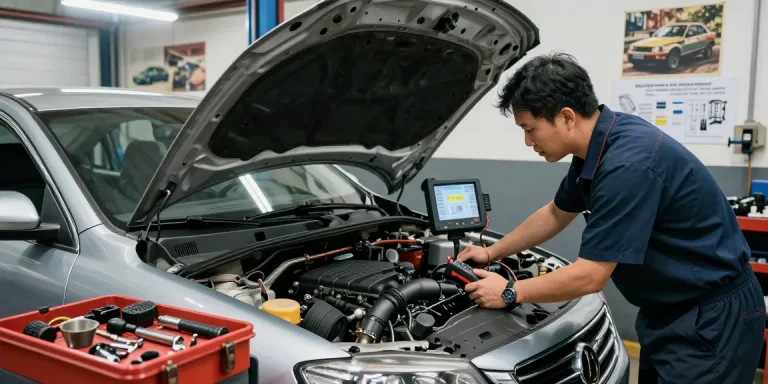
Understanding Fuel Consumption in Vehicles
For many vehicle owners, the phrase “Auto consuma troppo”—translated to “The car consumes too much”—is more than just a concern; it reflects deeper issues that can impact both safety and economy. Whether you’re commuting to work or embarking on a road trip, understanding your vehicle’s fuel consumption is essential. Excessive fuel usage not only drains your wallet but can also indicate underlying mechanical issues with your vehicle. In this comprehensive guide, we will explore the key factors affecting fuel consumption, common causes of excessive usage, and actionable strategies to enhance efficiency.
What Does “Auto Consuma Troppo” Mean?
When we talk about “Auto consuma troppo,” we refer to a situation where a vehicle uses an unreasonable amount of fuel compared to its standard or expected performance. This could manifest in several ways, from a noticeable drop in fuel economy to increased frequency at the gas pump. Understanding this concept is crucial for identifying issues early and ensuring your vehicle runs efficiently.
The Importance of Fuel Efficiency
Fuel efficiency is not just about saving money; it’s also about conserving energy and reducing emissions. As fuel prices fluctuate, the impact of managing fuel consumption becomes increasingly important. Moreover, vehicles that are fuel-efficient tend to have a lesser environmental impact. Transitioning towards better fuel efficiency can lead to a more sustainable approach to driving while also enhancing the lifespan of your vehicle.
When exploring options, Auto consuma troppo provides comprehensive insights into managing your fuel consumption effectively.
Diagnosing Excessive Fuel Consumption
Signs Your Vehicle is Using Too Much Fuel
Identifying the signs of excessive fuel consumption is the first step in addressing the situation. Common indicators include:
- Increased frequency of fuel fill-ups
- A significant drop in mileage per gallon
- Unusual sounds or vibrations from the engine
- Unexplained drops in engine power
Tools for Measuring Fuel Efficiency
Measuring fuel efficiency can be accomplished in several ways, with tools ranging from on-board diagnostics (OBD) systems to mobile applications designed for tracking fuel consumption. By regularly documenting your mileage and fuel purchases, you can establish a clearer view of your vehicle’s performance over time.
Common Misconceptions about Fuel Consumption
Several myths surround fuel consumption, sometimes leading drivers to make uninformed decisions. For instance, many believe that premium fuel is always better for fuel consumption, but this is not the case for all vehicles. Understanding the specifications of your car can prevent unnecessary expenditures on higher octane fuel.
Factors Affecting Fuel Efficiency
Engine Performance and Maintenance
A well-maintained engine runs more efficiently. Regular oil changes, replacing spark plugs, and ensuring clean air filters can vastly improve fuel efficiency. Neglecting these aspects can lead to increased fuel consumption and can compromise the engine’s overall performance.
Tire Pressure and Fuel Economy
Maintaining proper tire pressure is essential for fuel economy. Under-inflated tires create more resistance, forcing the engine to work harder and use more fuel. Keeping your tires inflated to the recommended levels can enhance your driving experience and improve mileage.
Driving Habits and Their Impact on Consumption
Your driving style plays a significant role in fuel consumption. Practices such as rapid acceleration, aggressive braking, and high-speed driving can lead to increased fuel usage. Adopting smoother driving habits can mitigate this impact substantially. Try to maintain a steady speed and avoid excessive idling to conserve fuel.
Effective Solutions to Reduce Fuel Consumption
Regular Maintenance Practices
Adhering to a consistent maintenance schedule is crucial. This includes regular checks on engine fluids, filters, and the exhaust system. Addressing minor issues early can prevent them from escalating into major problems that necessitate costly repairs or lead to further fuel inefficiencies.
Driving Techniques to Save Fuel
To effectively reduce fuel consumption, consider implementing the following driving techniques:
- Accelerate gradually and maintain a steady pace.
- Utilize cruise control on highways to maintain constant speed.
- Limit the use of air conditioning to essential moments.
Technological Innovations for Better Fuel Efficiency
The automotive industry is witnessing rapid advancements in technology aimed at improving fuel efficiency. From hybrid and electric vehicles to fuel-efficient engines and aerodynamics, these innovations can significantly reduce fuel consumption. Investing in a vehicle equipped with these technologies can offer substantial long-term savings.
Future Trends in Fuel Consumption
Emerging Technologies in the Automotive Industry
As we move towards 2026 and beyond, emerging technologies such as artificial intelligence (AI) in automotive engineering are anticipated to revolutionize fuel management. AI can optimize driving patterns and enhance vehicle diagnostics to further reduce fuel consumption.
The Role of Electric Vehicles
Electric vehicles (EVs) are becoming increasingly popular as a solution to combat rising fuel consumption. With advancements in battery technology, EVs offer a sustainable alternative that has a negligible direct fuel consumption rate. As charging infrastructure continues to expand, the adoption of EVs will likely rise.
Predictions for Fuel Prices and Consumption Patterns in 2026
Market analysts project that fuel prices will continue to fluctuate due to geopolitical factors and shifts in global demand. Consumers may gravitate towards vehicles with higher fuel efficiency ratings as a response to these changes. Additionally, sustainability initiatives may further influence consumption patterns as consumers prioritize environmentally friendly choices.
What are the common causes of excessive fuel consumption?
Common causes include poor maintenance, incorrect tire pressures, and aggressive driving habits. Understanding these factors can help you take proactive measures to improve your vehicle’s fuel efficiency.
How can I improve my vehicle’s fuel efficiency?
Improving fuel efficiency can be achieved through regular maintenance, adopting efficient driving techniques, and considering technological upgrades to your vehicle.
What tools can help diagnose fuel consumption issues?
Diagnostic tools such as OBD scanners and fuel efficiency monitoring apps can provide insights into your vehicle’s performance and identify areas for improvement.
How do driving habits influence fuel consumption?
Your driving style directly impacts fuel efficiency; smoother driving typically leads to better mileage, while aggressive driving increases fuel consumption.
What are the latest technologies for reducing fuel consumption?
Recent advancements include hybrid engines, improved aerodynamics, and AI-driven systems that optimize engine performance and fuel usage.
About the Author