Understanding Measured Building Surveys Surrey
Measured building surveys are an essential component of the construction and architecture sectors. They provide detailed data about a building’s dimensions, layouts, and structural elements, which are crucial for various applications including renovations, restorations, and compliance with planning regulations. As a leading provider of Measured Building Surveys Surrey, we understand the unique requirements of our clients in London and Surrey and strive to provide precise, actionable insights for every project.
What Are Measured Building Surveys?
Measured building surveys are technical surveys that are designed to capture and record the physical dimensions and structure of a building. They typically include detailed drawings that depict the layout of the interiors, the dimensions of rooms, heights of spaces, and the configuration of structural elements such as walls, doors, and windows. These surveys may also document existing site conditions and other physical characteristics necessary for informed planning and design.
Importance of Accurate Measurements in Construction
Accurate measurements are critical in construction and architectural design for several reasons:
- Compliance with Regulations: Ensuring that designs meet local building codes and regulations is vital for any construction project.
- Effective Communication: Precise measurements facilitate clear communication among architects, engineers, contractors, and clients, reducing the risk of misunderstandings and errors.
- Cost Efficiency: Accurate initial data can lead to more accurate budgeting and resource allocation, ultimately saving time and costs.
- Enhanced Design Quality: Well-documented surveys inform better design decisions, allowing for innovative solutions that can optimize space usage and aesthetics.
Key Features of Measured Building Surveys
Measured building surveys usually feature:
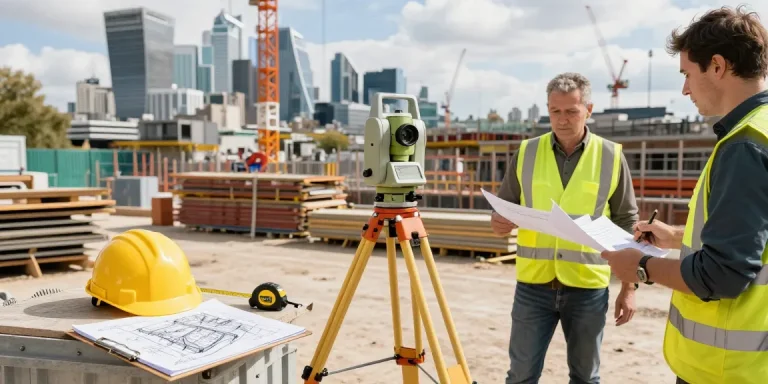
- High Accuracy: Professional surveyors use advanced technology such as laser scanning and total stations to capture data with high precision.
- Comprehensive Documentation: Surveys provide detailed drawings, including floor plans, elevations, sections, and sometimes 3D visualisations.
- Customisation: Surveys can be tailored according to specific client needs, whether for heritage buildings, new constructions, or renovations.
Types of Measured Building Surveys Available
Internal Measured Surveys
Internal measured surveys focus on the interior of a building, capturing details such as room dimensions, ceiling heights, and the configuration of internal walls. They are essential for:
- Creating floor plans for renovations or refurbishments.
- Documenting changes for compliance with planning permissions.
- Providing data for interior design and space planning.
External Measured Surveys
External measured surveys encompass the outer aspects of a building, including its elevation, facade details, and the surrounding site. They are useful for:
- Evaluating the structural condition of the building’s exterior.
- Planning landscaping or establishing property boundaries.
- Ensuring adherence to zoning regulations regarding height and bulk.
Topographical and GPR Surveys
Topographical surveys are crucial for understanding the physical features of the land, including natural and man-made elements. Ground Penetrating Radar (GPR) surveys, compliant with PAS128 standards, are employed to detect underground utilities. They assist in:
- Mapping the landscape for civil engineering projects.
- Detecting and avoiding buried services during construction.
- Providing essential information for environmental assessments.
Common Challenges in Measured Building Surveys
Accurate Data Collection Methods
Collecting accurate data can be hindered by outdated equipment, inexperienced personnel, or environmental factors. To mitigate these challenges, investing in advanced surveying technology and continuous training for surveyors is essential.
Environmental Factors Affecting Surveys
Weather conditions, site accessibility, and surrounding structures can present challenges during surveys, impacting data quality. Strategies such as scheduling surveys during optimal weather conditions can help improve outcomes.
Misinformation and Misunderstandings in Surveying
Miscommunication can lead to incorrect interpretations of survey data. To combat this, maintaining clear communication with clients and stakeholders throughout the surveying process is vital.
Best Practices for Conducting Measured Building Surveys
Choosing the Right Surveying Equipment
Selecting the appropriate surveying equipment is critical for achieving the best results. Tools such as robotic total stations, laser scanners, and drones can drastically enhance data quality and efficiency. Regularly updating equipment to the latest technology will help maintain industry standards.
Working with Experienced Surveyors
Engaging knowledgeable and experienced surveyors can significantly impact the accuracy and reliability of the surveys. Ensure that those conducting the surveys are trained and certified in the necessary methodologies and technologies.
Implementing Technology for Enhanced Accuracy
Adopting new technologies like Building Information Modelling (BIM) and advanced data processing software can enhance data accuracy and facilitate better project outcomes. Integrating these technologies into your workflow can streamline the surveying process and improve data management.
Future Trends in Measured Building Surveys (2026 and Beyond)
Emerging Technologies in Surveying
Technological advancements are continuously shaping the surveying industry. Innovations such as 3D scanning, augmented reality, and artificial intelligence are expected to revolutionize how measurements are taken and interpreted, providing even more precise datasets for projects.
Green Building Practices and Surveys
With an increasing focus on sustainability, the integration of green building practices is becoming more prevalent. Measured building surveys will play a vital role in assessing the feasibility of eco-friendly designs and materials by providing accurate data on existing structures and sites.
Projected Market Growth and Demand for Surveys
The demand for building surveys is expected to grow steadily as urbanization increases, and more buildings require renovations or modifications. As professionals recognize the value of precise measurements, the market for measured building surveys will likely expand, offering ample opportunities for established firms.
How much should a measured survey cost?
The cost of a measured building survey can vary widely based on several factors, including the size and complexity of the property, the specific services required, and the location of the site. Generally, prices can range from £600 to £1,500 or more. It’s essential to obtain quotes from various providers to ensure you’re receiving the best value for your investment.
What is a measured building survey?
A measured building survey is a precise representation of a building’s dimensions and structural features, often used in architectural, planning, and engineering projects. These surveys provide essential data for renovation, restoration, and new build projects.
How can I get the actual measurements of a building?
There are several methods to obtain accurate building measurements, including hiring a professional surveyor, utilizing advanced laser scanning technology, or conducting the measurements manually. Each method varies in accuracy, cost, and time commitment.
How much does it cost for a building surveyor?
The cost for a building surveyor can range significantly depending on factors such as property size, location, and required survey types. It’s common for building surveyor fees to lie between £630 and £1,500, with some specialized surveys potentially costing more.
What benefits do measured building surveys provide?
The benefits of measured building surveys include enhanced accuracy in project planning, compliance with local regulations, improved design outcomes, and more efficient construction processes. Accurate surveys lead to better resource management and project scheduling, ultimately saving time and costs for stakeholders.
About the Author