Understanding Mobile Convenience in Modern Retail
In an age where immediate access and convenience dictate consumer behavior, mobile convenience stores are emerging as a revolutionary solution in the retail landscape. These innovative setups, often on wheels, cater to a growing demand for easily accessible goods, particularly in urban areas where traditional stores may be less feasible. With the proliferation of technology and changing consumer habits, understanding the nuances of mobile convenience is crucial for businesses looking to adapt to this evolution in retail strategy. When exploring options, mobile convenience provides comprehensive insights into the market dynamics and consumer needs driving this segment.
What is Mobile Convenience and Its Impact?
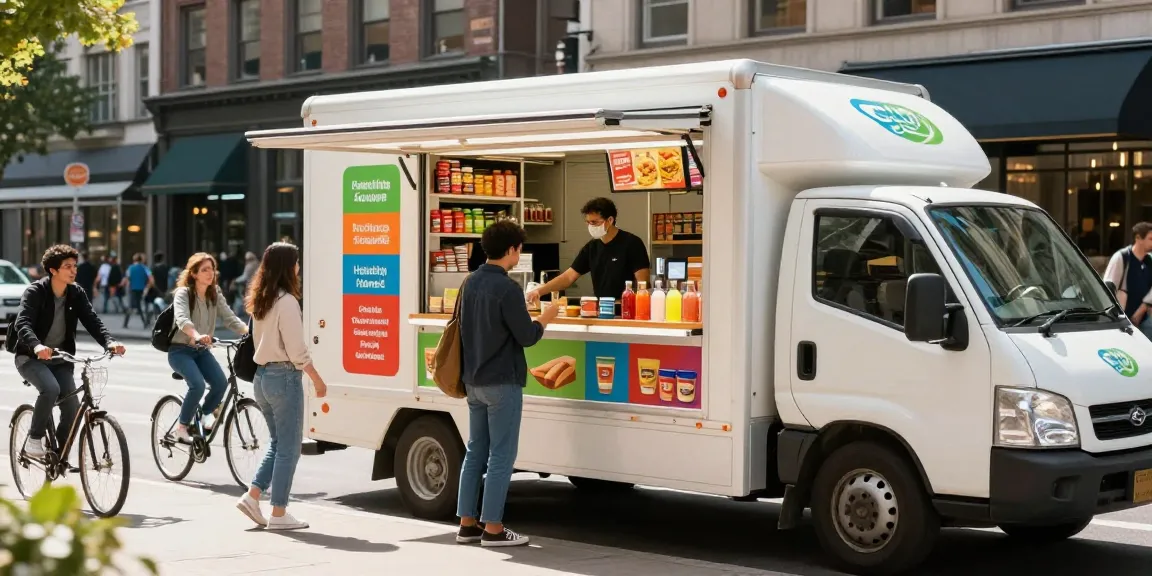
Mobile convenience refers to retail solutions that deliver products directly to consumers without the need for a traditional store environment. This can include mobile food trucks, grocery carts, and even automated kiosks. The impact of mobile convenience is profound; it not only provides products to consumers where they are but also addresses issues such as food deserts and accessibility in underserved communities. Mobile convenience stores can efficiently bridge the gap between supply and demand, allowing businesses to reach a broader audience.
Key Trends in Mobile Convenience for 2026
Looking ahead to 2026, several trends are shaping the mobile convenience landscape:
- Increased Technology Integration: From mobile payment systems to AI-driven inventory management, technology is central to the evolution of mobile convenience stores.
- Focus on Sustainability: Eco-friendly practices and products are becoming a necessity, with many mobile stores offering organic and locally sourced options.
- Customization and Personalization: Businesses are increasingly tailoring their offerings to meet the specific preferences of local communities.
Consumer Needs and Expectations in Mobile Retail
Consumer expectations are evolving alongside mobile convenience. Today’s shoppers prioritize not only accessibility but also experience. Factors such as product quality, variety, and interaction with staff are crucial. Furthermore, as more people embrace online shopping, the expectation for seamless multi-channel experiences that integrate both online and offline shopping is rising.
Benefits of Mobile Convenience Stores
Increasing Accessibility to Food and Essentials
Mobile convenience stores play a vital role in enhancing access to food and essential goods, particularly in regions that lack brick-and-mortar stores. By bringing products directly to consumers, these mobile units ensure that everyone, regardless of location, has access to necessary items. This is particularly beneficial in urban areas where traditional grocery outlets may be scarce or in rural regions where transportation can be an issue.
Environmental Advantages of Mobile Shopping
Mobile convenience stores also bring environmental benefits. They reduce the carbon footprint associated with traditional retail operations, including extensive supply chains and energy-intensive store infrastructures. Additionally, by offering local products, mobile stores can contribute to lower transportation emissions, making them a greener alternative in the retail sector.
Enhancing Customer Experience Through Convenience
Customer experience is significantly enhanced through the convenience offered by mobile stores. With the ability to shop on their terms, consumers can enjoy a more relaxed shopping experience. The personalized service often found in mobile stores can lead to stronger customer relationships and repeat business.
Challenges Facing Mobile Convenience Models
Regulatory Hurdles in Different Regions
Despite their advantages, mobile convenience stores face several regulatory challenges, depending on their operational region. Variations in local laws regarding food safety, zoning, and licensing can pose significant hurdles for entrepreneurs wishing to enter this market. Understanding and navigating these regulations is crucial for success.
Operational Challenges in Managing Mobile Outlets
Running a mobile convenience store comes with its own set of operational challenges. From maintaining inventory to ensuring adequate staffing, logistics can become complicated. Additionally, the need for consistent quality and customer service requires diligent management and a well-thought-out operational plan.
Common Misconceptions About Mobile Convenience Stores
There are several misconceptions about mobile convenience stores. Many consumers associate them with lower-quality products or limited selections. However, many mobile stores offer a diverse range of high-quality items and provide unique local products that are not found in traditional retail outlets.
Best Practices for Launching a Mobile Convenience Store
Identifying Optimal Locations for Service
Identifying the right locations for a mobile convenience store is essential for success. High foot traffic areas such as parks, college campuses, and business districts can attract a steady stream of customers. It’s crucial to analyze foot traffic patterns and understand the demographics of the area to optimize positioning.
Marketing Strategies for Mobile Convenience Offerings
A robust marketing strategy is vital for a mobile convenience store. Utilizing social media, local partnerships, and even pop-up events can create buzz and draw in customers. Engaging storytelling about the products and the brand can resonate with consumers and build loyalty.
Engaging Local Partnerships and Communities
Building relationships with local farmers, artisans, and businesses can significantly enhance product offerings and create a sense of community. By teaming up with local suppliers, mobile stores can build a unique brand identity while also supporting the local economy.
Future of Mobile Convenience: Trends and Innovations for 2026
Technological Advancements Shaping Mobile Retail
Tech innovations, including mobile apps for ordering and delivery tracking, are expected to shape the future of mobile convenience. Tools such as contactless payment systems and customer engagement platforms will likely become standard, improving the shopping experience.
Predictions for Mobile Convenience Growth and Development
The mobile convenience sector is predicted to experience significant growth in the coming years. As urbanization continues and consumers increasingly prioritize convenience, mobile stores are poised to become a staple in the retail landscape, with ample opportunities for new entrants.
Real-World Examples of Success Stories in Mobile Convenience
Several businesses have successfully leveraged the mobile convenience model. The Summit Fresh mobile market, launched to combat food deserts, has gained traction by serving underserved communities with essential grocery items. This success story exemplifies how mobile convenience can impact communities positively while being profitable.
What makes a mobile convenience store successful?
A successful mobile convenience store leverages strategic location selection, engages with the community, and maintains high-quality products. In addition, adaptability to consumer needs and continuous improvement of offerings can set a mobile store apart from its competitors.
How can I optimize my mobile convenience operations?
To optimize operations, consider using inventory management software, streamline supply chains, and ensure regular staff training. Staying informed about market trends and consumer preferences can help refine offerings and improve customer satisfaction.
What regulations should I be aware of for mobile convenience stores?
It’s essential to research local health regulations, zoning laws, and business licensing requirements before launching a mobile convenience store. Compliance with food safety standards and obtaining necessary permits can prevent future operational hurdles.
How do mobile convenience stores compare to traditional retail?
Mobile convenience stores offer several advantages over traditional retail, such as reduced overhead costs and the ability to reach consumers directly. However, they may face challenges in product variety and brand recognition compared to established retailers.
What trends should I monitor in mobile convenience for 2026?
Key trends to watch include advancements in technology, sustainable practices, and shifts in consumer behavior towards convenience. Additionally, monitoring demographic changes and urban development will provide insights into potential market shifts.
About the Author