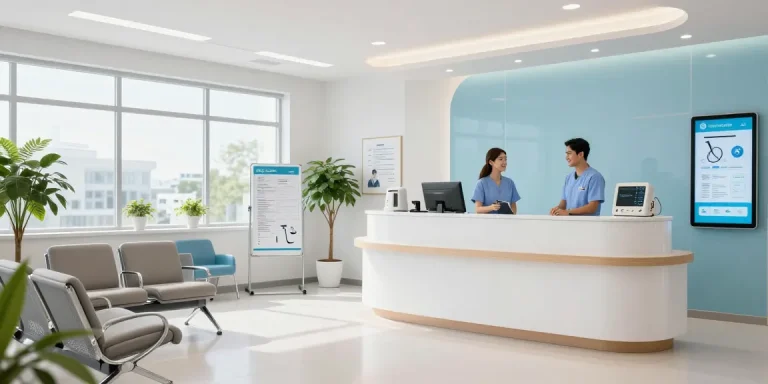
In today’s rapidly evolving healthcare landscape, understanding patient care has never been more critical. Patients increasingly seek compassionate, effective, and high-quality healthcare services as they navigate complex medical systems. With a focus on patient-centered approaches, healthcare providers aim to not only treat illnesses but also to empower patients through education and preventive measures. This comprehensive article delves into essential aspects of patient care, the rise of telemedicine, the importance of preventive health screenings, physical therapy, and mental health awareness—all pivotal in enhancing healthcare delivery. For those looking for a resource to explore these critical topics further, https://open88.pw/ provides comprehensive insights.
Understanding the Importance of Patient Care in Healthcare
The Role of Compassionate Healthcare Providers
Compassionate healthcare providers play a vital role in establishing a therapeutic alliance with patients. Research indicates that empathy and understanding can enhance patient satisfaction, compliance with treatment protocols, and overall health outcomes. Such providers actively listen to patients, show respect for their concerns, and engage them in shared decision-making, which has been associated with improved adherence to medical advice and treatment plans.
Best Practices for Effective Communication with Patients
Effective communication is the cornerstone of patient care. Healthcare providers must be skilled in verbal and non-verbal communication to convey compassion and ensure clarity in health-related discussions. Best practices include:
- Using clear, jargon-free language to explain diagnoses and treatment options.
- Encouraging patients to ask questions and express their concerns.
- Actively listening and validating patients’ feelings, which fosters trust and collaboration.
- Providing follow-up resources and information to empower patients in managing their health.
What to Expect During Your Medical Visits
Understanding what to expect during medical visits can significantly reduce patient anxiety. Typically, a medical appointment begins with a thorough assessment of your medical history. Providers may conduct physical examinations, order necessary tests, and discuss potential treatment options. Expect to be engaged in conversations about your healthcare goals and have your questions answered to ensure you are fully informed.
Innovative Trends in Telemedicine and Digital Health
Benefits of Telehealth in Modern Healthcare
Telehealth has revolutionized how healthcare is delivered, providing patients with convenient access to medical services from the comfort of their homes. Key benefits of telehealth include reduced travel, shorter wait times, increased appointment flexibility, and improved monitoring of chronic conditions through remote patient monitoring tools. These innovations not only enhance patient experiences but also optimize healthcare resource utilization.
How to Access Telemedicine Services
Accessing telemedicine services typically involves a few straightforward steps. Patients can start by reaching out to their healthcare provider to inquire about virtual appointment offerings. Many providers use secure online platforms that allow patients to schedule appointments, fill out necessary forms, and engage in virtual consultations using smartphones, tablets, or computers. Ensure that you have a stable internet connection and a quiet, private space for your appointment to facilitate better communication.
Future of Digital Health Innovations in 2026
As we look towards 2026, the landscape of digital health continues to expand. Expect advancements in artificial intelligence to play a significant role in personalized medicine, predictive analytics for disease prevention, and enhanced patient engagement through gamification and mobile health apps. These innovations will likely transform how care is delivered, making it more efficient and tailored to individual patient needs.
Preventive Health and Wellness Screenings
Key Health Screenings for Men and Women
Preventive health screenings are essential for early detection of conditions that can affect health outcomes significantly. Common screenings include:
- Blood pressure measurements
- Cholesterol and glucose tests
- Cancer screenings such as mammograms for breast cancer, Pap smears for cervical cancer, and colonoscopies for colorectal cancer
- Bone density tests for osteoporosis, particularly in postmenopausal women
Check with your healthcare provider to determine which screenings are appropriate based on your age, gender, and medical history.
Recognizing Signs for Preventive Care
Individuals should actively recognize signs that may indicate the need for preventive care, such as unexplained fatigue, sudden weight changes, persistent pain, or significant changes in mood or behavior. Awareness of these symptoms can lead to timely interventions, enhancing the likelihood of effective treatment and improved overall health.
Integrating Wellness into Daily Life
Integrating wellness into daily life involves adopting a holistic approach to health that includes regular physical activity, balanced nutrition, stress management techniques, and routine health check-ups. Simple practices like mindful eating, daily walks, and practicing relaxation techniques can promote better health outcomes and foster a proactive approach to wellness.
Physical Therapy and Rehabilitation Services
Benefits of Early Intervention in Physical Therapy
Early intervention in physical therapy can make a considerable difference in recovery outcomes for patients dealing with musculoskeletal issues. Engaging a physical therapist promptly following an injury can help mitigate pain, enhance mobility, and decrease the risk of further injury. Comprehensive assessments guide individualized treatment plans that focus on restoring function and improving quality of life.
Types of Therapies for Different Conditions
Physical therapy encompasses various treatment modalities tailored to address specific conditions. Common therapies include:
- Manual therapy, which involves hands-on techniques for pain relief and mobility improvement
- Therapeutic exercise, designed to enhance strength, flexibility, and endurance
- Modalities such as electrical stimulation or ultrasound, aiding in pain management and healing
- Patient education, empowering individuals with knowledge to manage their conditions proactively
Patient Self-Management Techniques for Rehabilitation
Patient self-management is crucial during rehabilitation. Techniques may include:
- Setting realistic goals and tracking progress
- Incorporating home exercises as prescribed by the physical therapist
- Utilizing assistive devices when necessary to prevent re-injury
- Engaging in regular communication with healthcare providers about difficulties and advancements in rehabilitation
Effective self-management fosters independence and long-term success in rehabilitation outcomes.
Mental Health Awareness and Treatment Options
Understanding Common Mental Health Disorders
Mental health disorders, encompassing anxiety, depression, bipolar disorder, and schizophrenia, profoundly affect individuals and their families. Awareness of the symptoms and risk factors associated with these conditions is vital for early identification and treatment. Many individuals may experience stigma surrounding mental health; therefore, promoting understanding and fostering open conversations is critical to encouraging seeking help.
Accessing Support: Therapy and Counseling Services
Access to mental health support is paramount. Individuals can access various services, including psychotherapy, cognitive behavior therapy (CBT), group therapy, and medication management. Seeking support from mental health professionals, such as psychologists or psychiatrists, can guide personal coping strategies and provide targeted treatment plans tailored to individual needs. Always consult with a healthcare provider to discuss mental health concerns openly and explore appropriate treatment avenues.
Importance of Mental Health Screening
Mental health screenings are essential for identifying conditions prior to escalation. These screenings often involve standardized assessments that evaluate mood, behavior, and cognitive functioning. Routine screenings can help in formulating early treatment plans, mitigating risks related to mental health crises, and fostering proactive approaches to overall well-being.
About the Author