Understanding the Dirty Car Radiator: Symptoms and Risks
Driving a vehicle with a dirty radiator can lead to significant engine overheating issues, risking costly repairs down the line. It’s vital to recognize the signs and symptoms of a dirty car radiator to maintain vehicle health and ensure road safety. Homeowners, property managers, and even casual drivers should be aware that overheating engines can severely impact their vehicles’ longevity and reliability.
Common Signs of a Dirty Radiator
As a car owner, you should be on the lookout for several telltale signs that indicate a dirty radiator:
- Higher Engine Temperature: If you notice that the temperature gauge fluctuates towards the higher end more frequently, it may be time to inspect your radiator.
- Excessive Fan Activity: A radiator dealing with dirt and debris often leads to the cooling fan running excessively.
- Weak Air Conditioning: If your air conditioning system is performing poorly, it could be related to a clogged radiator, especially in modern vehicles.
- Unusual Odors: A metallic smell or a burning odor after driving can indicate radiator issues.
- Coolant Leaks: Puddles under your vehicle can suggest that your radiator is not functioning correctly.
Risks of Ignoring Radiator Issues
Ignoring the symptoms of a dirty radiator can lead to dire consequences. Overheating can damage critical engine components such as the: cylinder head, gaskets, and even the engine block. Repairs can be exorbitantly expensive, often exceeding several thousand dollars. Prompt attention to your radiator’s condition is not just a matter of convenience; it’s a necessity for protecting your vehicle’s engine and ensuring safe operation.
Why Regular Maintenance Matters
Routine maintenance plays a crucial role in vehicle health. Changing the coolant as recommended by the manufacturer (typically every two years) can prevent dirt buildup. Regular inspections can also help detect early signs of radiator issues before they escalate into severe problems.
Immediate Action When You Notice a Problem
If your engine temperature suddenly rises while driving, you must take action. Below are effective steps and guidelines to manage this situation properly:
Steps to Take if Engine Temperature Rises
- Pull Over: Safely pull your vehicle to the side of the road and turn off the engine to prevent further damage.
- Check for Leaks: After allowing time for the engine to cool, inspect under the vehicle for coolant leaks.
- Allow Cooling: Wait for at least 30 minutes before attempting to open the hood, as the engine components can remain hot.
- Inspect Coolant Levels: Check the coolant reservoir and top it off if necessary.
When to Seek Professional Help
If you are not confident in performing these checks, or if the problem persists, reach out to a licensed mechanic. Issues like consistent overheating or ignoring warning lights typically require professional diagnostics and potential repairs.
Self-Inspection Tips for Vehicle Owners
To carry out a thorough self-inspection, ensure that you:
- Visually inspect the radiator for dirt buildup.
- Check the coolant’s condition and levels.
- Listen for unusual sounds from the cooling system.
The Cleaning and Maintenance Process
The process of maintaining and cleaning your car’s radiator is crucial for preventing overheating issues and ensuring efficient vehicle performance.
How to Clean Your Radiator Effectively
Cleaning your radiator can often be done at home if surface dirt is the main concern. Here’s how:
- External Cleaning: Use low-pressure water to rinse off any external debris and dirt from the radiator fins.
- Radiator Cleaner Products: Consider using a chemical radiator cleaner that can help dissolve internal dirt buildup without damaging the fins.
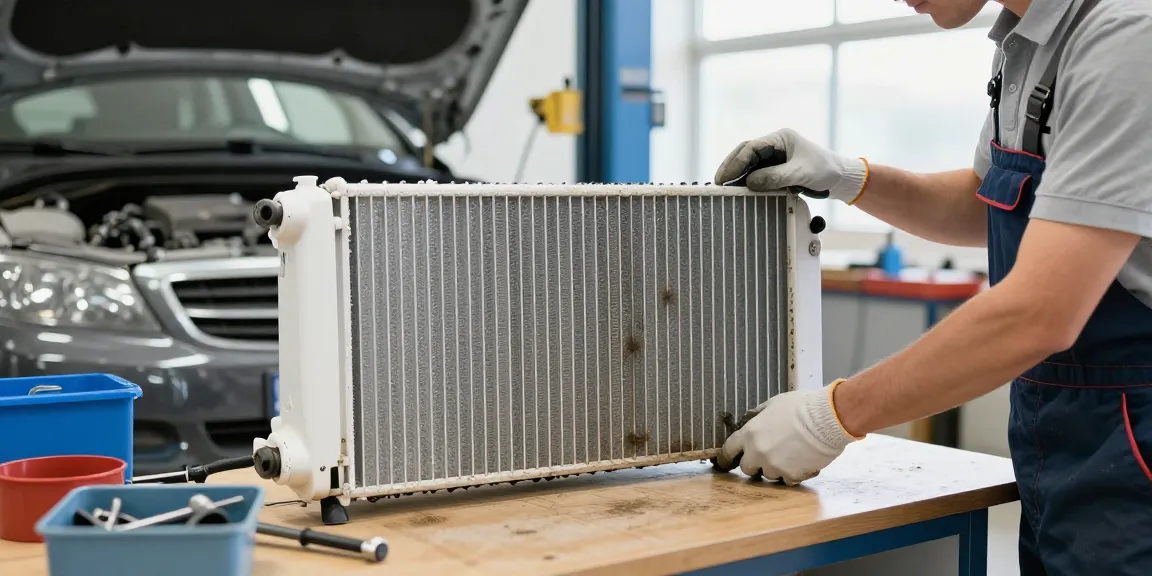
- Check for Damage: While cleaning, inspect for any bent fins or cracks that might necessitate professional repair or replacement.
Professional Flushing Services Explained
If internal cleaning is needed, consider professional flushing services. This process involves:
- Draining the existing coolant.
- Flushing the system with a specialized radiator cleaner.
- Refilling with fresh coolant to ensure optimal performance.
Tools and Products for DIY Radiator Cleaning
For those looking to clean their radiators at home, having the right tools is essential:
- Low-pressure Hose: Ideal for gentle external cleaning.
- Radiator Cleaning Solution: Ensures thorough cleaning without risks of damaging the unit.
- Protective Gear: Gloves and goggles to ensure safety during the cleaning process.
Cost Breakdown and Pricing Guide
Understanding the potential costs associated with radiator cleaning and repair can help you budget effectively and prevent unexpected expenses.
Average Costs of Radiator Cleaning vs Replacement
On average, the cost for professional radiator cleaning ranges from €50 to €150, while replacement costs may go from €250 to over €700 depending on your vehicle model.
Factors Affecting the Price in Your Area
Several factors can influence the cost:
- Location: Labor rates vary by region.
- Vehicle Type: Luxury or specialized vehicles may incur higher costs for parts and labor.
- Service Provider Reputation: Certified and highly-rated mechanics often charge more due to their expertise.
Understanding Warranty and Coverage Options
When addressing radiator issues, it’s essential to understand your vehicle’s warranty. Some repair work may be covered under certain warranties, particularly if done by certified professionals. Always check your vehicle’s owner’s manual and consult with your service provider about your coverage options.
Choosing the Right Local Service Provider
When selecting a mechanic for radiator services, consider these essential tips:
What to Look for in a Trusted Mechanic
- Certification: Ensure they are certified and experienced in radiator maintenance.
- Insurance: A licensed and insured mechanic protects you from liability.
- Estimate Transparency: Seek providers who offer detailed estimates before beginning work.
Customer Reviews and Testimonials to Consider
Research local mechanic reviews online. Look for testimonials and ratings on platforms like Google and Yelp to gauge service quality.
Seasonal Maintenance Tips for Vehicle Owners
To prevent radiator issues, consider seasonal checks. Before summer, ensure:
- Your coolant is at an optimal level.
- The radiator is free from dirt and debris.
- Your vehicle’s temperature gauge is functioning correctly.
Frequently Asked Questions (FAQs)
Can I Drive with a Dirty Radiator?
While short distances might be manageable, it’s unwise to ignore the signs. A dirty radiator can lead to serious engine overheating, so it’s best to address the issue promptly.
How Often Should I Clean My Radiator?
Typically, you should inspect and clean your radiator at least once a year or more frequently if you drive in dusty environments or have a history of radiator issues.
What Are the Warning Signs of Overheating?
Beware of rising temperature gauges, unusual smells, or the engine temperature warning light illuminating on your dashboard. Immediate action is pivotal to avoid severe damage.
Conclusion
Being proactive about checking your radiator today can save you significant expenses tomorrow. Understanding the symptoms and appropriate actions when dealing with a dirty radiator can extend your vehicle’s life and save you from costly repairs. Remember, regular maintenance and quick responses to issues can lead to a safer, more economical driving experience.
About the Author